
Address: 390 Amwell Rd, Building 5, Suite 504 Hillsborough, NJ 08844 Phone: (732) 963-4836 Email: admissions@greenspringswellness.com
Setting Healthy Boundaries with a Loved One in Addiction

What Is Being Mixed With Fentanyl in New Jersey?

Table of contents

Fentanyl remains one of the most serious threats in New Jersey’s illegal drug supply, but fentanyl itself is only part of the concern.

The illicit drug market is becoming increasingly unpredictable as fentanyl is combined with veterinary sedatives, synthetic benzodiazepines, other synthetic opioids and substances that may dramatically change the effects of a drug.

Someone may believe they are using heroin, cocaine or a prescription pill without realizing that fentanyl or another substance is present. Even people who expect fentanyl may have no way of knowing what else has been added.

New Jersey officials have raised concerns about a changing polydrug supply involving fentanyl, xylazine, medetomidine, bromazolam, nitazenes and other emerging synthetic substances.

At Green Springs Wellness, we help adults in New Jersey continue recovery through structured addiction and mental health treatment, including PHP, IOP, outpatient services and continuing care.


Why Is Fentanyl Being Mixed With Other Drugs?

Illicitly manufactured fentanyl is a powerful synthetic opioid that has become deeply embedded in the illegal drug supply.

New Jersey authorities report that illicit fentanyl may appear with heroin and cocaine or be pressed into counterfeit pills. A pill that appears to be oxycodone or another prescription medication may contain fentanyl, heroin, fentanyl analogs or other substances instead.

This creates two different risks. Some people may unknowingly encounter fentanyl in another drug, while others may knowingly use fentanyl but unknowingly encounter additional substances mixed into it.

Both situations make the effects of an illicit drug difficult to predict.


What Drugs Are Being Mixed With Fentanyl in New Jersey?

The illegal drug supply can change rapidly. Not every fentanyl sample contains another drug, and the substances present can vary by community, supplier and time period.

Several substances deserve particular attention in New Jersey, including veterinary sedatives, synthetic benzodiazepine-like drugs, potent synthetic opioids and counterfeit pills.


Medetomidine

Medetomidine may be one of the most important emerging fentanyl adulterants for New Jersey residents to understand in 2026.

Medetomidine is a powerful veterinary sedative that is not approved for use in humans.

CDC surveillance has found medetomidine appearing primarily with illegally manufactured fentanyl, with detections particularly concentrated in the Northeastern United States.

National forensic laboratory reports involving medetomidine increased sharply between 2023 and 2025. CDC-supported testing also found that among medetomidine-positive drug product samples evaluated from July through December 2025, 98% also contained fentanyl.

Why Is Medetomidine Dangerous?

Medetomidine is not an opioid. Naloxone can reverse opioid effects from fentanyl, but it does not directly reverse medetomidine.

Naloxone should still be administered during a suspected opioid overdose because fentanyl or another opioid may be present. Emergency medical care remains necessary because sedation and other effects caused by non-opioid substances may continue.

Regular medetomidine exposure has also been associated with potentially severe withdrawal that may require urgent medical care.


Xylazine

Xylazine is another veterinary sedative associated with fentanyl.

Often called “tranq,” xylazine is not an opioid and is not approved for human use.

New Jersey health officials have specifically warned residents about xylazine appearing in the illicit fentanyl supply.

What Happens When Xylazine Is Mixed With Fentanyl?

Fentanyl is an opioid. Xylazine is a sedative. Together they can contribute to profound sedation and make overdose situations more complicated.

Naloxone can reverse the fentanyl component but does not reverse xylazine itself. That does not mean naloxone should be withheld.

If opioid overdose is suspected, administer naloxone and call 911.

Xylazine has also been associated with significant skin and soft-tissue injuries that can require medical treatment.


Medetomidine vs. Xylazine

Medetomidine

A veterinary sedative increasingly detected with illicit fentanyl, particularly in the Northeast. Severe withdrawal after repeated exposure has become an important clinical concern.

Xylazine

A veterinary sedative often called tranq. It has been linked to profound sedation as well as serious skin and soft-tissue injuries.

Neither substance is an opioid, and neither is directly reversed by naloxone. Naloxone should still be used when fentanyl or another opioid may be involved.


Bromazolam

Bromazolam is a synthetic benzodiazepine-like substance that has never been approved as a prescription medication in the United States.

New Jersey forensic testing has identified bromazolam in the illicit drug market, including in combination with fentanyl and in counterfeit pills designed to resemble Xanax.

Why Are Benzodiazepine-Like Drugs and Fentanyl Dangerous Together?

Both can contribute to profound sedation and impaired consciousness.

Naloxone can reverse fentanyl’s opioid effects but does not reverse bromazolam. Anyone experiencing suspected overdose symptoms needs emergency medical attention.


Nitazenes

Nitazenes are a group of synthetic opioids appearing in the changing illicit drug market.

Some nitazene compounds can be extraordinarily potent. Federal authorities have identified numerous nitazene compounds in the U.S. drug supply, while New Jersey investigators have also identified the category as an emerging concern.

Nitazenes vs. Fentanyl

Both fentanyl and nitazenes are synthetic opioids, but they are chemically different.

Certain nitazenes may be extremely potent, creating additional uncertainty when they appear in an already unpredictable drug supply.

A person generally cannot determine whether powder or a counterfeit pill contains a nitazene simply by looking at it.


Other Ways People May Encounter Fentanyl

Heroin

Fentanyl can be mixed with or sold as heroin. Someone seeking heroin may therefore receive a product containing fentanyl instead.

Cocaine

Fentanyl has also been identified in stimulant supplies. Someone using cocaine may have little or no opioid tolerance and may not expect opioid effects.

Counterfeit Prescription Pills

Illegal pills may be manufactured to resemble oxycodone, Xanax or other medications while containing fentanyl, bromazolam, synthetic opioids or other unexpected substances. Appearance alone cannot establish what a pill contains.


The New Jersey Drug Supply Is Becoming a Polysubstance Problem

The larger story is not any single additive. It is polysubstance exposure.

Someone may believe they have been using one drug while their body has repeatedly been exposed to several substances with different effects.

This growing complexity can affect overdose response, withdrawal symptoms, medical stabilization and the type of treatment someone may need afterward.


Why Can Withdrawal Be More Complicated?

Withdrawal depends partly on what substances the body has adapted to.

Someone who believes they have developed dependence only on fentanyl could also have experienced repeated exposure to medetomidine, xylazine, benzodiazepine-like substances or other drugs.

This is particularly important with medetomidine because repeated exposure has been associated with severe withdrawal after the drug is stopped.

Important: Withdrawal from today’s illicit opioid supply should not automatically be assumed to be predictable fentanyl-only withdrawal. A medical assessment can help determine the safest level of care.


Can You Tell What Fentanyl Is Mixed With?

Usually not by appearance.

Powders and counterfeit pills can contain substances that cannot reliably be identified by sight, smell or taste.

Fentanyl test strips can identify the presence of fentanyl in many circumstances, but they do not provide a complete chemical analysis of everything contained in a sample.

A negative result for one substance does not establish that an illicit drug is safe.


Signs of a Possible Fentanyl Overdose

A fentanyl or opioid overdose may involve:

  • Very slow, shallow or stopped breathing
  • Difficulty waking the person
  • Extreme sleepiness or unconsciousness
  • Pinpoint pupils
  • Limpness
  • Pale, gray or bluish skin, lips or fingernails
  • Choking, snoring or gurgling sounds
  • A slow or absent response to stimulation

Treat a suspected overdose as a medical emergency.

Call 911 and administer naloxone when an opioid may be involved. Additional naloxone doses may sometimes be necessary according to product instructions and emergency guidance.

Because substances such as xylazine and medetomidine are not opioids, naloxone may not reverse every effect.


Naloxone Still Matters When Other Drugs Are Present

The emergence of xylazine and medetomidine does not make naloxone ineffective against fentanyl.

Naloxone remains capable of reversing the opioid component of an overdose. What may continue are symptoms caused by non-opioid substances present at the same time.

1

Call 911.

2

Administer naloxone.

3

Follow the naloxone product instructions.

4

Provide rescue breathing or CPR when appropriate and trained to do so.

5

Stay with the person until emergency medical professionals arrive.


New Jersey Is Making Progress, but Fentanyl Remains a Serious Threat

New Jersey has reported encouraging declines in overdose deaths in recent years.

Those improvements matter, but they do not mean the illicit drug supply has become predictable or safe.

Fentanyl remains a major overdose concern, while veterinary sedatives and emerging synthetic substances can make overdose, withdrawal and treatment increasingly complicated.


What Should You Do After Fentanyl Detox?

Detoxification or withdrawal management addresses only one part of opioid addiction.

Once someone is medically stable, continuing treatment can help address cravings, behaviors, emotions, mental health concerns and environmental factors associated with returning to opioid use.

This can be particularly important after fentanyl use because reduced opioid tolerance combined with an unpredictable illicit drug supply can make relapse especially dangerous.

Partial Hospitalization

PHP provides intensive daytime behavioral health support while allowing clients to return home outside treatment hours when clinically appropriate.

Intensive Outpatient Treatment

IOP provides structured therapy, relapse prevention and recovery support while allowing greater flexibility for home and daily responsibilities.

Outpatient Treatment

Outpatient care can support continued therapy, medication management when appropriate and ongoing recovery planning.

Co-Occurring Mental Health Care

Treatment can also address depression, anxiety, trauma, bipolar disorder and other behavioral health concerns that may affect recovery.


Fentanyl Addiction Treatment in New Jersey

At Green Springs Wellness, treatment is designed around the individual rather than simply the substance someone believes they have been using.

That distinction matters because a person seeking help for fentanyl addiction may also have experienced exposure to xylazine, medetomidine, benzodiazepine-like substances, stimulants or other synthetic opioids.

Green Springs Wellness provides structured addiction and behavioral health treatment in New Jersey through levels of care that can include partial hospitalization, intensive outpatient treatment, outpatient treatment and continuing care.

If medical detoxification is necessary, an appropriate detox provider should address stabilization first. Green Springs Wellness can then support the next phase of treatment and recovery.


Getting Help for Fentanyl Addiction in New Jersey

A person does not need to know exactly what was contained in every drug they used before asking for treatment.

If fentanyl, heroin, counterfeit pills or other opioids have become difficult to stop, a professional assessment can help determine the next appropriate step.

Green Springs Wellness provides addiction and mental health treatment for adults in New Jersey.

If you are currently experiencing an overdose or another medical emergency, call 911 immediately.

New Jersey residents can also contact ReachNJ at 844-732-2465 for free, confidential addiction treatment and recovery support information.


Frequently Asked Questions About Fentanyl in New Jersey

What is fentanyl being mixed with in New Jersey?

New Jersey authorities have identified an increasingly complex illicit drug supply involving fentanyl and substances including xylazine, medetomidine and bromazolam. Nitazenes and other emerging synthetic substances are also concerns. Fentanyl itself may also be found in heroin, cocaine and counterfeit prescription pills.

Is medetomidine being mixed with fentanyl?

Yes. CDC surveillance indicates medetomidine is primarily appearing with illegally manufactured fentanyl. Recent surveillance has found especially strong overlap between medetomidine-positive samples and fentanyl.

Is medetomidine the same as xylazine?

No. Both are veterinary sedatives that have appeared in the illicit opioid supply, but they are different drugs. Neither is an opioid, and naloxone does not directly reverse their effects.

What is tranq?

Tranq commonly refers to xylazine when it appears in the illicit drug supply. Xylazine is a veterinary sedative that has increasingly been found with fentanyl.

What is rhino tranq?

Rhino tranq is a street term that has been used for medetomidine, a veterinary sedative increasingly detected with illicit fentanyl.

Can fentanyl be found in cocaine?

Yes. Fentanyl has been identified in stimulant supplies including cocaine. This can be particularly dangerous because someone intending to use a stimulant may not expect opioid exposure.

Can fake Xanax contain fentanyl?

Counterfeit pills sold as Xanax may contain unexpected substances. New Jersey authorities have identified bromazolam in counterfeit Xanax-type pills, while counterfeit pills more broadly may contain fentanyl and other drugs.

Does naloxone work if fentanyl contains xylazine?

Naloxone reverses opioid effects from fentanyl but does not directly reverse xylazine. Naloxone should still be administered whenever opioid overdose is suspected, followed by immediate emergency medical care.

Does naloxone work on medetomidine?

Naloxone does not directly reverse medetomidine because medetomidine is not an opioid. However, medetomidine frequently occurs with fentanyl, so naloxone should still be administered when an opioid overdose is suspected.

Can fentanyl withdrawal be more complicated when other drugs are present?

Yes. Exposure to additional substances can change withdrawal symptoms and medical needs. Repeated medetomidine exposure has specifically been associated with severe withdrawal, making medical assessment important when someone does not know what substances were present.

Where can I get naloxone in New Jersey?

The New Jersey Department of Health provides information about free naloxone access and overdose prevention resources for residents.

Where can I get help for fentanyl addiction in New Jersey?

People who need immediate medical stabilization should seek emergency or appropriate detoxification services. After stabilization, Green Springs Wellness provides structured addiction and mental health treatment in New Jersey through PHP, IOP, outpatient and continuing-care services.


Clinical Sources and Medical Review

This page is educational and does not replace an individualized medical assessment. The illegal drug supply changes rapidly, and a person often cannot know which substances they have been exposed to without laboratory testing.

✓ Medically Reviewed
Dr. Vahid Osman, M.D.

Board-Certified Psychiatrist & Addictionologist

✓ Clinically Reviewed
Josh Sprung, L.C.S.W.

Licensed Clinical Social Worker


Clinical Sources and References

New Jersey State Commission of Investigation.
Evolving Trends and Threats in the Illicit Drug Market: Fentanyl, Veterinary Sedatives, and Other Emerging Synthetic Substances.
New Jersey Department of Health.
Fentanyl, xylazine, overdose prevention and naloxone resources.
New Jersey State Police.
Drug analysis and public safety information involving illicitly manufactured fentanyl and counterfeit pills.
Centers for Disease Control and Prevention.
Medetomidine Situation Summary.
Centers for Disease Control and Prevention.
Medetomidine in the U.S. Illegal Fentanyl Supply Increasing Risk for Overdose and Severe Withdrawal Syndrome.
U.S. Drug Enforcement Administration.
Public Safety Advisory: Heightened Threat: Fentanyl Mixed with Emerging Synthetic Drugs.
  • Contributors

    Dr. Vahid Osman, M.D.
    Medically Reviewed By:
    Dr. Vahid Osman, M.D.
    Board-Certified Psychiatrist and Addictionologist
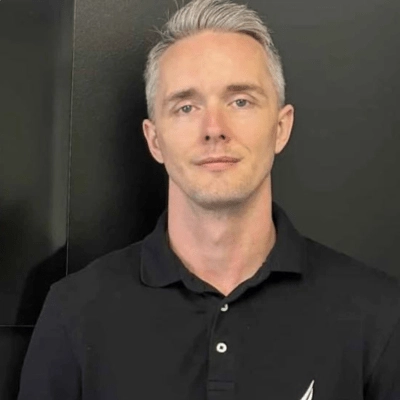
    Josh Sprung, L.C.S.W.
    Clinically Reviewed By:
    Josh Sprung, L.C.S.W.
    Board-Certified Clinical Social Worker
  • Accreditations

    Quality, Safety and Community Trust

    Accreditations, Certifications and Recognition

    Green Springs Wellness is committed to responsible, transparent and evidence-based behavioral healthcare. These credentials reflect our dedication to patient safety, privacy, ethical operations and quality care.
    The Joint Commission Accredited

    The Gold Seal of Approval® recognizes Green Springs Wellness’s adherence to rigorous national standards for healthcare quality, patient safety and continuous performance improvement.

    LegitScript Certified

    LegitScript certification demonstrates that our marketing and operations meet recognized standards for legal compliance, ethical practices, transparency and responsible communication.
    HIPAA Compliant

    We protect patient privacy and safeguard protected health information in accordance with federal HIPAA privacy and security requirements.

    Five-Star Google Review Recognition

    Positive patient and family feedback reflects our ongoing commitment to compassionate service, clear communication and a supportive treatment experience.

    Accreditations, certifications, licenses and recognition may be subject to renewal or change. Contact Green Springs Wellness for current credential and program information.

Did you know that your insurance plan may cover medical detox?

Complete a free, confidential Verification of Benefits to learn more about what resources may be available to you.

Continue reading

Spravato and Ketamine Therapy: Benefits, Risks and Addiction Concerns

Table of contents

Rehab Alumni Program in New Jersey

Completing addiction treatment is a major milestone, but recovery continues long after a structured program ends. Returning to work, family responsibilities, relationships and everyday routines can bring new challenges, including stress, loneliness, cravings and exposure to people or situations connected to past substance use.

The Green Springs Wellness rehab alumni program in NJ is designed to help former clients maintain a connection to recovery after treatment. Alumni support can provide encouragement, sober connection, accountability and access to recovery resources as clients continue building healthier lives outside structured care.

Alumni programming is not a replacement for therapy, aftercare or clinical treatment. Instead, it can complement those services by helping former clients remain connected to a recovery community that understands the challenges of life after treatment.

What Is a Rehab Alumni Program?

A rehab alumni program is an ongoing recovery-support resource for people who have completed addiction treatment. Unlike PHP, IOP or outpatient rehab, alumni programming is generally focused on continued connection rather than serving as a formal clinical level of care.

Depending on current program offerings, alumni support may include recovery-focused check-ins, peer connection, alumni meetings, sober activities, recovery resources or opportunities to remain involved with the treatment community.

The purpose of alumni support is continued connection. Treatment provides clinical structure. Alumni programming can help former clients maintain recovery relationships and remember that support remains available after formal care ends.

For many people, beginning treatment is only one challenge. Staying connected to healthy people, routines and recovery resources after treatment can be equally important.

Why Alumni Support Matters After Treatment

During treatment, clients often have scheduled groups, therapy sessions, clinical support and clear expectations. As formal treatment becomes less intensive, much of that built-in structure changes.

Reduce Isolation

Recovery can feel isolating when old friendships centered on alcohol or drugs. Staying connected with other people in recovery can provide a healthier sense of community.

Maintain Accountability

Regular recovery connection can encourage former clients to remain honest about challenges and seek support before problems become more difficult to manage.

Build Sober Relationships

Recovery may require developing new social routines and relationships that are not organized around substance use.

Stay Connected to Resources

Alumni support can help former clients remember where to turn if they need therapy, aftercare, recovery meetings or a reassessment of their treatment needs.

A strong recovery community in NJ can support the broader goal of building a stable life that feels worth protecting, rather than defining recovery only as avoiding alcohol or drugs.

Who May Be Eligible for Alumni Support?

The Green Springs Wellness alumni program is generally intended for former clients who have completed treatment and want to remain connected to recovery support afterward.

Alumni Support May Be Helpful If You

  • Have completed treatment at Green Springs Wellness
  • Are transitioning out of structured addiction care
  • Want continued sober community and accountability
  • Would benefit from peer recovery connection
  • Want to maintain the progress made during treatment
  • Are looking for continued relapse-prevention support

You May Need Clinical Care Instead If You

  • Have returned to frequent or dangerous substance use
  • Are experiencing withdrawal symptoms
  • Need structured therapy several times per week
  • Have worsening psychiatric symptoms
  • Cannot remain safe without more intensive support
  • Need a formal clinical reassessment

Alumni support should not be used as a substitute for needed treatment. If more clinical support is appropriate, Green Springs Wellness can discuss outpatient treatment, IOP, PHP, aftercare or detox placement based on current needs.

What May Be Included in the Alumni Program?

Alumni programming can help former clients remain engaged with recovery, strengthen sober relationships and stay aware of resources they can use when life becomes challenging. Specific offerings can vary, so former clients should contact Green Springs Wellness for current alumni opportunities.

Alumni Meetings and Check-Ins

Recovery-focused meetings or check-ins can provide opportunities to share progress, discuss challenges, recognize milestones and maintain accountability after treatment.

Sober Events and Activities

When available, recovery-friendly activities can help former clients practice social connection and enjoyment without returning to environments centered on substance use.

Peer Recovery Connection

Connecting with others who understand early and long-term recovery can reduce isolation and provide encouragement during stressful periods or major life transitions.

Continued Recovery Resources

Alumni may be connected with therapy referrals, support groups, educational resources, community services, aftercare or additional treatment when appropriate.

Relapse-Prevention Support

Continued connection can help former clients recognize warning signs, revisit coping skills and ask for additional support when recovery begins to feel less stable.

Recovery Milestones

Recognizing progress can reinforce the work that goes into recovery and help clients remain focused on the life they are continuing to build.

Building a Recovery Community in New Jersey

Many people leave treatment knowing that recovery requires more than stopping substance use. Old routines, social circles and environments may need to change, and building new relationships can take time.

A supportive recovery community in New Jersey can help make those changes more sustainable. Being around other people who understand recovery may provide connection during stress, grief, cravings, relationship challenges, celebrations and major life transitions.

Connection can be protective, but alumni support is only one part of recovery. Therapy, aftercare, mutual-help groups, family support, healthy routines and other community resources may also play important roles.

Alumni programming gives former clients another way to remain connected without having to explain the recovery process from the beginning each time they need support.

Alumni Support and Relapse Prevention

Relapse prevention involves more than avoiding obvious triggers. Emotional, behavioral and social changes can appear before a person returns to substance use.

Watch for Disconnection

Pulling away from supportive people, therapy, recovery meetings or healthy routines can be an early sign that recovery is becoming less stable.

Recognize Changes in Thinking

Romanticizing past substance use, minimizing previous consequences or becoming increasingly secretive can signal increased risk.

Respond to Stress Early

Work pressure, conflict, grief, loneliness and major life changes can affect recovery. Reaching out early can prevent isolation from becoming more severe.

Know When More Treatment Is Needed

Alumni connection cannot replace clinical care. A return to substance use or significant worsening of mental health symptoms may require reassessment and a higher level of support.

No alumni program can guarantee that relapse will not occur. Continued connection can, however, make it easier to recognize warning signs and seek appropriate help sooner.

Alumni Program vs. Aftercare: What Is the Difference?

Alumni programming and aftercare are related, but they serve different purposes. Aftercare is generally a structured continuing-care plan that may include therapy, psychiatric or medication follow-up when appropriate, sober living resources, relapse-prevention planning, outpatient treatment or referrals to community providers.

An alumni program focuses more heavily on recovery connection and community. It can provide former clients with opportunities for peer connection, recovery-focused activities, encouragement and continued involvement after treatment.

Many clients may benefit from both. Aftercare can help organize ongoing clinical and recovery needs, while alumni programming can help maintain a longer-term connection to sober community.

What If Recovery Becomes Unstable After Treatment?

Former clients should not feel that they have to manage worsening cravings, a return to substance use or significant mental health symptoms through alumni support alone.

If recovery becomes unstable, the appropriate response may be to reconnect with clinical care. Depending on the situation, that could include outpatient treatment, IOP, PHP, detox placement or another behavioral health service.

Seeking more support does not erase previous progress. Recovery needs can change over time, and responding early can help reduce the consequences of waiting until a problem becomes a crisis.

Recovery Community Near Hillsborough and Central New Jersey

Green Springs Wellness is located in Hillsborough, New Jersey and supports former clients as they continue building recovery after treatment.

Staying connected to people and resources associated with recovery can help make the transition from structured treatment into everyday life feel less abrupt. Alumni support can complement therapy, aftercare, community recovery groups and healthy relationships outside treatment.

Former clients can contact Green Springs Wellness to ask about current alumni programming and available recovery-support opportunities.

Continuing Care After Green Springs Wellness

Alumni support is one part of a broader long-term recovery plan. Some former clients may also continue individual therapy, outpatient treatment, psychiatric care, medication management when appropriate, mutual-help groups or other community-based services.

If clinical treatment is still needed, our team can discuss the appropriate next step and help clients understand available services. Insurance coverage for clinical treatment varies by plan, medical necessity, network participation and authorization requirements.

Clients who need continued clinical care can verify insurance benefits and speak with admissions about available treatment options.

FAQs About the Alumni Program in New Jersey

Do I have to complete treatment at Green Springs Wellness to ask about alumni support?

The Green Springs Wellness alumni program is generally designed for former clients. If you completed treatment elsewhere and need ongoing recovery support, you can still contact the team to discuss whether aftercare, outpatient treatment or another resource may be appropriate. What if I feel disconnected after treatment?

Feeling isolated after structured treatment can be difficult. Reconnecting with recovery supports, therapy, healthy relationships, peer groups or available alumni resources can help rebuild connection before isolation becomes more severe. Can alumni programming replace therapy?

No. Alumni programming is focused on recovery connection and community rather than replacing clinical behavioral health treatment. Some former clients continue therapy or other professional care while also participating in alumni support. What should I do if I relapse after completing treatment?

A return to substance use should prompt an honest assessment of current safety and treatment needs. Depending on what happened, outpatient treatment, IOP, PHP, detox or another level of care may be appropriate. Can loved ones contact Green Springs Wellness about alumni or aftercare support?

Loved ones can contact Green Springs Wellness to ask general questions about continuing-care resources. Specific participation and clinical information depend on the client’s needs, consent and applicable privacy requirements. What types of alumni activities are currently available?

Alumni offerings can change over time. Former clients should contact Green Springs Wellness directly for information about current meetings, activities, recovery resources and other alumni opportunities.

Stay Connected to Recovery After Treatment

Recovery continues after structured addiction treatment ends. The Green Springs Wellness alumni program can help former clients maintain sober connection, recovery accountability and access to resources as they continue building their lives after treatment.

Contact Green Springs Wellness to ask about the rehab alumni program in NJ, current alumni opportunities or additional continuing-care support.Ask About Alumni Support

Table of contents

Ketamine-based treatments have become increasingly visible in mental health care.

People struggling with depression may hear about Spravato, ketamine infusions, ketamine-assisted therapy, compounded ketamine lozenges, or online programs offering ketamine products for use at home.

For someone who has not improved with traditional treatment, the possibility of a faster-acting option can sound promising.

But there is an important distinction that is often lost in online discussions:

Spravato, medically supervised ketamine, compounded ketamine, and recreational ketamine are not interchangeable.

That distinction becomes particularly important when depression, trauma, anxiety, chronic pain, and substance use overlap.

Green Springs Wellness in Hillsborough, New Jersey provides structured treatment for depression, addiction, trauma, and co-occurring mental health concerns through partial hospitalization, intensive outpatient treatment, outpatient care, and evidence-based therapies.

Why Spravato and Ketamine Are a Timely Topic in 2026

Interest in ketamine treatment has grown quickly, but so have concerns about how ketamine products are marketed and obtained.

On June 23, 2026, the U.S. Food and Drug Administration issued multiple warning letters involving websites selling unapproved ketamine products, including products marketed for psychiatric conditions.

The FDA specifically distinguishes ketamine from Spravato.

Ketamine is FDA-approved as an anesthetic and is not FDA-approved for treating psychiatric disorders. Spravato contains esketamine, a ketamine derivative, and has specific FDA-approved indications for depression.

That distinction matters because an advertisement for "ketamine therapy" does not tell someone whether the product is FDA-approved, being used off-label, compounded, or being sold through an unsafe source.

What Is Ketamine?

Ketamine is a dissociative anesthetic that has been used medically for decades.

It affects several systems in the brain, including glutamate activity involving NMDA receptors. These effects can influence pain perception, mood, memory, awareness, and how connected a person feels to their body and surroundings.

Ketamine is FDA-approved as an anesthetic.

Ketamine itself is not FDA-approved specifically for psychiatric disorders, although clinicians may use it off-label when they determine that doing so is medically appropriate.

Off-label prescribing can be a legitimate part of medical practice. It simply means the specific use has not received FDA approval for that medication.

Patients considering ketamine for depression should understand exactly what medication they are receiving, why it is being recommended, how treatment is monitored, and what alternatives are available.

What Is Spravato?

Spravato is the brand name for esketamine nasal spray.

Esketamine is chemically related to ketamine, but Spravato is not simply ordinary ketamine placed into a nasal spray.

Current FDA labeling includes Spravato for treatment-resistant depression in adults as monotherapy or together with an oral antidepressant. It is also approved, together with an oral antidepressant, for depressive symptoms in adults with major depressive disorder and acute suicidal ideation or behavior.

Spravato is administered through a restricted Risk Evaluation and Mitigation Strategy, or REMS.

Patients receive the medication in a certified healthcare setting and are monitored for at least two hours after administration.

Why Does Spravato Require Monitoring?

Spravato’s boxed warning addresses significant risks involving:

  • sedation,
  • dissociation,
  • respiratory depression,
  • abuse and misuse, and
  • suicidal thoughts and behaviors in certain antidepressant-treated populations.

Spravato can also temporarily increase blood pressure.

These warnings do not mean that Spravato is an inappropriate treatment.

They mean the FDA recognizes both a legitimate clinical role and risks significant enough to require controlled administration and monitoring.

A person appropriately receiving Spravato should not be treated as though they are engaging in recreational drug use.

At the same time, a history of substance misuse is relevant when evaluating a psychoactive medication with recognized abuse potential.

Spravato vs. Ketamine Therapy

Treatment What It Is Important Consideration
Spravato FDA-approved esketamine nasal spray Used for specific depression indications and administered in certified healthcare settings under REMS requirements
Ketamine Infusion Ketamine administered clinically, often intravenously Psychiatric use of ketamine itself is generally off-label
Compounded Ketamine Ketamine prepared in forms such as troches, lozenges, or nasal products Compounded drugs do not undergo the same FDA premarket review as approved medications
Recreational Ketamine Nonmedical ketamine use for intoxication or dissociation May involve escalating doses, polysubstance exposure, accidents, dependence, and serious physical complications

Understanding which treatment someone is actually receiving is more useful than treating every ketamine-related product as equivalent.

Why Is Ketamine Used for Depression?

Ketamine-related treatment has attracted attention partly because of the possibility of relatively rapid changes in depressive symptoms.

Traditional antidepressants can take time to produce noticeable improvement, and some people continue experiencing significant depression despite previous treatments.

Spravato provides another treatment option for appropriately selected adults with treatment-resistant depression.

However, symptom relief from medication is not always the same as broader emotional recovery.

Depression can affect motivation, sleep, relationships, work, school, concentration, self-worth, daily routines, and substance use.

Green Springs Wellness provides depression treatment in New Jersey for people who need more support than weekly therapy alone or who are also experiencing substance-use concerns.

Depression and Substance Use Can Reinforce Each Other

Some people begin drinking or using drugs to cope with hopelessness, numbness, trauma, loneliness, or chronic stress.

Substances may provide temporary relief.

Over time, however, they can worsen sleep, relationships, motivation, mood stability, physical health, and everyday functioning.

The worsening depression can then increase the desire to use substances again.

When both problems are present, treatment needs to ask more than, "How do we stop the drug?"

It also needs to ask:

What is driving the person’s need to escape, numb, or disconnect?

Green Springs Wellness treats addiction and co-occurring mental health concerns together through its broader addiction and behavioral health programs.

Can Ketamine Therapy Lead to Addiction?

Ketamine has recognized abuse and dependence potential.

That does not mean everyone receiving supervised ketamine treatment or Spravato will develop addiction.

Concern increases when the pattern of use begins changing.

Warning signs can include:

  • using ketamine more frequently than intended,
  • seeking larger doses,
  • obtaining ketamine outside legitimate medical treatment,
  • becoming increasingly focused on dissociation,
  • thinking frequently about the next dose,
  • hiding use,
  • developing strong cravings,
  • or continuing despite physical, psychological, financial, occupational, or relationship problems.

The issue is not simply whether someone has ever received ketamine.

The more important question is whether use remains within a carefully monitored treatment plan or is becoming difficult to control.

Ketamine Use Disorder Is a Real Clinical Concern

Growing medical use of ketamine has occurred alongside continued recreational misuse.

A 2026 systematic review in the Journal of Substance Use and Addiction Treatment described chronic ketamine misuse as being associated with dependence, ulcerative cystitis, gastrointestinal problems, cognitive changes, affective symptoms, and psychotic disturbances.

The review also found that evidence for treating ketamine misuse remains fragmented.

That is important because it means there is not one simple medication or standardized protocol that resolves every case of problematic ketamine use.

Treatment may need to address substance-use patterns, depression, trauma, anxiety, social circumstances, and physical complications together.

Why Dissociation Can Become Reinforcing

Ketamine can create a feeling of separation from the body, surroundings, thoughts, or emotions.

For someone living with severe depression, trauma, anxiety, or chronic pain, that temporary distance may feel relieving.

But repeatedly disconnecting from emotional pain is different from learning how to manage it.

A pattern may develop:

Emotional distress becomes intense.

Ketamine creates temporary distance from the distress.

The effects wear off.

The original distress remains.

The person increasingly wants the dissociative experience again.

For people with substance-use histories, this possibility is worth discussing openly with the clinician overseeing treatment.

Ketamine and Trauma

Trauma can influence both mental health symptoms and substance-use patterns.

Someone experiencing trauma may struggle with intrusive memories, hypervigilance, emotional numbness, anxiety, avoidance, or persistent feelings of danger.

A dissociative drug may feel appealing precisely because it changes awareness for a period of time.

But avoiding traumatic emotions and processing trauma are not the same thing.

Green Springs Wellness provides trauma therapy in New Jersey using individualized, trauma-informed treatment that may incorporate evidence-based psychotherapy and skill-building.

What Is a K-Hole?

A K-hole is an informal term describing an intense ketamine-related dissociative state.

Someone may experience profound detachment from the body, distorted perception of time or space, hallucinations, confusion, difficulty moving or communicating, and memory impairment.

The term is sometimes used casually in recreational-drug culture.

Severe dissociation should not be confused with the controlled effects anticipated during legitimate medical treatment.

Ketamine and Chronic Pain

Ketamine has also been used or investigated for certain chronic pain conditions.

Its activity at NMDA receptors may influence how the nervous system processes pain.

However, chronic pain can involve much more than one pathway.

Pain may interact with depression, anxiety, trauma, sleep disturbance, deconditioning, injury, stress, medication use, and substance use.

Temporary pain reduction does not necessarily mean a person’s mobility, sleep, function, or quality of life improves over the long term.

For many people, chronic pain care works best when several treatment strategies are considered together.

Ketamine Bladder Syndrome

One of the best-documented physical complications associated with repeated heavy ketamine misuse is ketamine-induced cystitis.

This condition can cause substantial inflammation and urinary-tract damage.

Symptoms may include frequent urination, urinary urgency, painful urination, pelvic pain, blood in the urine, and reduced bladder capacity.

A 2024 published case report described a 46-year-old man with approximately seven months of daily recreational ketamine use who developed significant urinary abnormalities and ketamine-induced cystitis.

Someone experiencing urinary symptoms while frequently using ketamine should receive medical evaluation.

What Are K-Cramps?

K-cramps is an informal term used for severe abdominal pain reported by some people with chronic ketamine use.

Abdominal pain has many possible causes, so someone should not assume ketamine is responsible without medical evaluation.

However, chronic ketamine misuse has been associated with gastrointestinal dysfunction and severe abdominal symptoms.

Persistent or severe abdominal pain warrants medical attention.

Can Ketamine Cause Tolerance?

Repeated exposure can change how someone responds to ketamine.

A person may find that the effects become less intense or that they begin seeking larger or more frequent amounts.

Tolerance alone is not the same as addiction.

But escalating doses, increasing frequency, cravings, and difficulty controlling use are important warning signs.

What Happens When Someone Stops Heavy Ketamine Use?

There is not one universally established ketamine withdrawal syndrome that occurs in every person.

Some people with heavy or compulsive use report cravings, low mood, anxiety, irritability, restlessness, or sleep problems after stopping.

Another challenge is determining whether symptoms reflect ketamine cessation or the return of an underlying condition such as depression, trauma, anxiety, or chronic pain.

Evidence regarding medical treatment of ketamine use disorder remains limited, which makes individualized behavioral-health assessment especially important.

Is At-Home Ketamine the Same as Spravato?

No.

Spravato is administered through a specific FDA-required healthcare framework.

Patients receive treatment in certified healthcare settings and remain under observation afterward.

At-home ketamine programs may involve compounded ketamine or other products.

The prescribing process, patient screening, pharmacy oversight, follow-up, and emergency procedures can vary.

The FDA’s June 2026 enforcement activity is an important reminder that consumers should not assume every website selling ketamine products is operating within appropriate medical or regulatory safeguards.

Alternatives to Ketamine for Depression

Ketamine-derived treatment is only one possible approach to depression.

Cognitive Behavioral Therapy

CBT helps people understand the relationship between thoughts, emotions, and actions.

It can be used to address depressive thinking, avoidance, unhealthy coping patterns, substance-use triggers, and relapse risk.

Green Springs Wellness provides cognitive behavioral therapy in New Jersey.

Behavioral Activation

Depression frequently leads people to withdraw from routines, relationships, and activities that once provided meaning.

Behavioral activation helps gradually rebuild healthy structure, participation, and reinforcement.

Trauma-Informed Therapy

When depression is closely connected to trauma, treating only depressive symptoms may not be enough.

Trauma-focused treatment can help patients process traumatic experiences and develop healthier responses to triggers.

Group Therapy

Group treatment can reduce isolation, reinforce coping skills, and provide opportunities to practice new behaviors in a supportive setting.

Medication Management

Traditional antidepressants and other psychiatric medications may remain appropriate depending on the person’s diagnosis, symptoms, treatment history, and medical needs.

Why Structured Outpatient Treatment Can Help

Not everyone struggling with depression, addiction, or co-occurring conditions needs residential treatment.

Some people need more structure than weekly therapy but can continue living safely at home.

Green Springs Wellness offers several levels of structured behavioral-health care in Hillsborough, New Jersey.

Partial Hospitalization Program

A Partial Hospitalization Program provides substantial daytime structure without requiring a person to remain at the facility overnight.

PHP may be appropriate when symptoms require more support than standard outpatient therapy but inpatient or residential treatment is not clinically necessary.

Intensive Outpatient Program

Green Springs Wellness’ Intensive Outpatient Program combines individual therapy, group therapy, skill-building, CBT, DBT, and trauma-informed care while allowing clients to maintain greater connection with home, work, school, and family responsibilities.

Outpatient Program

The Outpatient Program provides ongoing treatment for people who are stable enough to live independently while continuing therapy, medication management when appropriate, relapse prevention, and recovery work.

The appropriate level of care depends on symptom severity, safety, substance use, home support, and everyday functioning.

Questions to Ask Before Starting Ketamine-Based Treatment

What Medication Am I Actually Receiving?

Ask whether treatment involves FDA-approved Spravato, ketamine used off-label, or a compounded ketamine product.

Is This Use FDA-Approved or Off-Label?

Both can occur legitimately, but patients should understand which applies to their treatment.

Who Is Monitoring Treatment?

Ask who performs the medical and psychiatric evaluation, monitors blood pressure and other side effects, evaluates treatment response, and manages complications.

What Happens If I Begin Wanting More?

People with current or previous substance misuse should understand how cravings, dose escalation, drug-seeking behavior, or increasing interest in dissociation will be addressed.

What Other Treatments Are Part of the Plan?

Ask whether psychotherapy, behavioral treatment, psychiatric medication management, trauma treatment, rehabilitation, or other interventions are being used alongside medication.

What Is the Long-Term Plan?

A treatment plan should address what happens after initial symptom improvement rather than focusing exclusively on repeated doses.

Signs Ketamine Use May Be Becoming a Problem

Professional assessment may be appropriate when someone begins increasing ketamine use, using larger amounts, obtaining ketamine outside legitimate medical care, hiding use, seeking intoxication or dissociation, developing strong cravings, continuing despite urinary or abdominal problems, combining ketamine with other substances, or feeling unable to cope emotionally without it.

A person does not need to wait until severe addiction develops before asking for help.

Spravato Treatment Is Not the Same as Ketamine Addiction

It is important to avoid stigmatizing people receiving legitimate psychiatric treatment.

Spravato has an FDA-approved role for specific depressive conditions.

A person receiving appropriately supervised esketamine should not automatically be labeled as having a substance problem.

At the same time, medications with psychoactive and reinforcing effects require appropriate screening and monitoring.

A medication can provide meaningful benefit while still carrying meaningful risks.

Treating Depression and Substance Use Together

When depression occurs alongside addiction, addressing only one side of the problem can leave important symptoms and relapse drivers unresolved.

Green Springs Wellness treats depression, trauma, addiction, and other mental health concerns through integrated behavioral-health care in Hillsborough, New Jersey.

Treatment may include CBT, trauma-informed therapy, individual counseling, group therapy, relapse prevention, medication management, PHP, IOP, or outpatient care.

The appropriate plan depends on the person’s symptoms, safety, substance-use history, home environment, and ability to function day to day.

Frequently Asked Questions About Spravato and Ketamine

Is Spravato the same as ketamine?

No. Spravato contains esketamine, which is chemically related to ketamine. Spravato has specific FDA-approved depression indications and is administered through a restricted healthcare program.

Is ketamine FDA-approved for depression?

Ketamine itself is FDA-approved as an anesthetic rather than specifically for psychiatric disorders. Ketamine may be used off-label for depression in some clinical settings.

Can Spravato be used without an oral antidepressant?

For treatment-resistant depression, current FDA labeling allows Spravato to be used as monotherapy or together with an oral antidepressant. For depressive symptoms associated with major depressive disorder and acute suicidal ideation or behavior, it is used together with an oral antidepressant.

Why does Spravato require two hours of monitoring?

Spravato can cause sedation, dissociation, respiratory depression, and blood-pressure changes. Its REMS requires administration in certified healthcare settings and post-dose monitoring for at least two hours.

Can Spravato be addictive?

Spravato carries warnings involving abuse and misuse. That does not mean everyone receiving treatment develops addiction, but risk assessment and monitoring are important.

Can ketamine therapy lead to addiction?

Ketamine has abuse and dependence potential. Risk becomes more concerning when use escalates, occurs outside medical supervision, becomes focused on dissociation, or continues despite negative consequences.

What is a K-hole?

A K-hole is an informal term for an intense ketamine-related dissociative state involving profound detachment, altered perception, confusion, and impaired movement or communication.

Can ketamine damage the bladder?

Yes. Chronic heavy ketamine use has been associated with ketamine-induced cystitis and other urinary complications.

What are K-cramps?

K-cramps is an informal term describing severe abdominal discomfort reported by some people with chronic ketamine misuse.

Does ketamine cause withdrawal?

There is not one universally defined ketamine withdrawal syndrome. Some people with heavy or compulsive use report cravings, anxiety, low mood, irritability, restlessness, or sleep problems after stopping.

Is at-home ketamine the same as Spravato?

No. Spravato is administered in certified healthcare settings through REMS requirements. At-home ketamine generally involves different products and regulatory circumstances.

What treatments can help depression without ketamine?

Depending on the person, options may include CBT, behavioral activation, trauma-informed therapy, group therapy, antidepressant medication, PHP, IOP, and outpatient behavioral-health care.

Does Green Springs Wellness provide depression treatment?

Yes. Green Springs Wellness provides structured depression treatment in New Jersey for people experiencing depression, substance-use concerns, and co-occurring behavioral-health conditions.

What level of care might be appropriate?

The appropriate level of care depends on symptom severity, safety, daily functioning, home support, substance use, and previous treatment. Green Springs Wellness offers PHP, IOP, and outpatient treatment in Hillsborough, New Jersey.

Mental Health and Addiction Treatment in New Jersey

The growing interest in ketamine reflects a real need for better ways to treat depression and chronic emotional distress.

Spravato may be appropriate for some patients, and ketamine may have legitimate off-label medical uses.

At the same time, uncontrolled ketamine use can contribute to dependence, dissociation, urinary injury, gastrointestinal problems, and other complications.

For people whose depression, trauma, or anxiety occurs alongside substance use, integrated behavioral-health treatment can address more than one symptom at a time.

Green Springs Wellness provides structured behavioral-health and addiction treatment in Hillsborough, New Jersey through PHP, IOP, outpatient care, CBT, trauma-informed therapy, and co-occurring mental health support.

If you are concerned about ketamine, another substance, or worsening depression, the admissions team can help explain available treatment options and determine which level of care may be appropriate.

You can also complete a confidential insurance verification.

Green Springs Wellness is located at 390 Amwell Rd, Building 5, Suite 504, Hillsborough, NJ 08844. Call (732) 963-4836 to speak with the admissions team.

Clinical Sources and References

U.S. Food and Drug Administration. Spravato (esketamine) Nasal Spray Prescribing Information. Current labeling includes treatment-resistant depression in adults as monotherapy or together with an oral antidepressant and describes the boxed warning and REMS requirements.
https://www.accessdata.fda.gov/drugsatfda_docs/label/2025/211243s019lbl.pdf
U.S. Food and Drug Administration. Internet Pharmacy Warning Letters. June 23, 2026 ketamine-related warning letters involving websites marketing unapproved ketamine products.
https://www.fda.gov/drugs/drug-supply-chain-integrity/internet-pharmacy-warning-letters
U.S. Food and Drug Administration. Keta Med Lab Warning Letter. June 23, 2026. FDA distinguishes approved ketamine anesthetic products from Spravato and states that ketamine is not FDA-approved for psychiatric disorders.
https://www.fda.gov/inspections-compliance-enforcement-and-criminal-investigations/warning-letters/keta-med-lab-wwwketamedlabcom-725154-06232026
Betancur JF, et al. Ketamine-induced cystitis: A case report and literature review. 2024.
https://pubmed.ncbi.nlm.nih.gov/39308603/
Mosca A, et al. Treatment and management approaches for ketamine misuse: A systematic review of medical interventions. Journal of Substance Use and Addiction Treatment. 2026;191:210061.
https://pubmed.ncbi.nlm.nih.gov/42385939/
Medical Disclaimer: This article is for educational purposes and does not diagnose a medical condition, recommend stopping a prescribed medication, or replace individualized medical advice. Do not discontinue Spravato, ketamine, antidepressants, pain medication, or another prescribed treatment without speaking with the healthcare professional managing your care.

  • Contributors

    Dr. Vahid Osman, M.D.
    Medically Reviewed By:
    Dr. Vahid Osman, M.D.
    Board-Certified Psychiatrist and Addictionologist
    Josh Sprung, L.C.S.W.
    Clinically Reviewed By:
    Josh Sprung, L.C.S.W.
    Board-Certified Clinical Social Worker
  • Accreditations

    Quality, Safety and Community Trust

    Accreditations, Certifications and Recognition

    Green Springs Wellness is committed to responsible, transparent and evidence-based behavioral healthcare. These credentials reflect our dedication to patient safety, privacy, ethical operations and quality care.

    The Joint Commission Accredited

    The Gold Seal of Approval® recognizes Green Springs Wellness’s adherence to rigorous national standards for healthcare quality, patient safety and continuous performance improvement.

    LegitScript Certified

    LegitScript certification demonstrates that our marketing and operations meet recognized standards for legal compliance, ethical practices, transparency and responsible communication.

    New Jersey DMHAS

    Green Springs Wellness operates in accordance with applicable requirements established by the New Jersey Division of Mental Health and Addiction Services.
    HIPAA Compliant

    We protect patient privacy and safeguard protected health information in accordance with federal HIPAA privacy and security requirements.

    Five-Star Google Review Recognition

    Positive patient and family feedback reflects our ongoing commitment to compassionate service, clear communication and a supportive treatment experience.

    Accreditations, certifications, licenses and recognition may be subject to renewal or change. Contact Green Springs Wellness for current credential and program information.

Treatment Programs

Did you know that your insurance plan may cover medical detox?

Complete a free, confidential Verification of Benefits to learn more about what resources may be available to you.

  • Supporting Families Through Recovery

    We understand addiction affects the whole family. Our comprehensive family program helps rebuild trust and restore relationships.

     Weekly Family Therapy Sessions

     Educational Workshops

     Support Groups

     Communication Skills Training

  • Get Family Support Now

Continue reading

Hidden Dangers of Gas Station Drugs


Table of contents

The Hidden Dangers of Drugs Sold at Gas Stations

Walk into some gas stations, convenience stores, smoke shops, or vape stores and you may find brightly packaged pills, shots, gummies, powders, and extracts displayed alongside ordinary consumer products.

Some promise energy. Others are marketed for relaxation, mood, pain relief, focus, or a sense of well-being. Certain products may be labeled as herbal supplements or kratom products, while others contain substances unfamiliar to many consumers.

The fact that these products can be purchased from a retail counter can create a dangerous assumption:

If a gas station can legally sell it, it must be reasonably safe.

That assumption can be wrong.

Products containing substances such as tianeptine and highly concentrated 7-hydroxymitragynine (7-OH) have attracted increasing concern from federal regulators, physicians, poison centers, and addiction professionals.

The issue is becoming particularly urgent in 2026.

In July 2026, America’s Poison Centers issued a health advisory reporting a sharp increase in exposures involving kratom and kratom-derived products. Poison Centers recorded 3,803 exposure cases in all of 2025 and another 3,190 cases by June 30, 2026, putting 2026 on pace for a substantial year-over-year increase. Among reported single-substance exposures, serious health effects and hospitalizations were not uncommon.

Meanwhile, the FDA has warned consumers about tianeptine, sometimes called “gas station heroin,” and has taken action against concentrated 7-OH products because of their opioid activity and potential for abuse.

For families across Hillsborough and the Hillsborough area and across New Jersey, these developments are changing what people need to understand about psychoactive products sold openly at gas stations, smoke shops, vape stores, and convenience stores.

What Are “Gas Station Drugs”?

“Gas station drugs” is not a medical diagnosis or formal drug category.

It is an informal term describing psychoactive products that may be available through gas stations, convenience stores, smoke shops, vape stores, and similar retailers without a traditional prescription.

The category can include very different substances and formulations.

Two that deserve particular attention are:

Tianeptine, an unapproved drug sometimes marketed as a supplement, nootropic, mood enhancer, or alternative to opioids.

7-hydroxymitragynine (7-OH), an opioid-active compound associated with kratom that is increasingly being sold in highly concentrated products such as tablets, shots, gummies, and other formulations.

These substances are not identical, and products containing them should not all be treated as though they carry the same pharmacology or risk.

What connects them is a larger public-health concern: consumers may encounter products capable of producing powerful psychoactive or opioid-like effects in retail environments that do not resemble traditional drug markets.

Why Gas Station Drugs Are Becoming a Bigger Concern

The availability of these products has evolved rapidly.

The FDA reported in 2025 that concentrated 7-OH products were becoming readily available online and in gas stations, corner stores, and vape shops. The agency expressed particular concern about products sold as flavored gummies and other formulations that could appeal to younger consumers.

Then came stronger warning signs.

America’s Poison Centers reported in July 2026 that Poison Centers received 593 reports involving 7-OH exposure during 2025.

From January 1 through June 30, 2026, there were already 901 reports.

Average monthly 7-OH cases during the first half of 2026 represented a 102% increase compared with the average during the final six months of 2025.

That makes 7-OH one of the most important emerging substances for consumers and families to understand.

The Most Important Gas Station Drugs to Know About

Not every supplement sold in a convenience store is inherently dangerous.

The concern centers on particular psychoactive products and concentrated formulations.

Tianeptine, or “Gas Station Heroin”

Tianeptine is perhaps the substance most closely associated with the phrase gas station drug.

It is sometimes called “gas station heroin” because products containing it have been sold through convenience stores, gas stations, vape shops, smoke shops, and online retailers.

Tianeptine is used medically in some other countries, but the FDA has not approved tianeptine for any medical use in the United States. The agency says it is also not a lawful dietary ingredient.

Products have been sold under names including:

ZaZa Tianna/Tianaa Neptune’s Fix Pegasus TD Red

Brand names and formulations can change, however, so identifying a substance based only on branding is unreliable.

The FDA has warned that tianeptine products may be marketed as nootropics, research chemicals, supplements, or products claiming to improve mood, brain function, anxiety, depression, pain, or opioid-related problems.

Why Is Tianeptine Dangerous?

One reason tianeptine deserves particular attention is its activity at opioid receptors.

At sufficiently high doses, it can produce opioid-like effects, including euphoria. Repeated use can also lead to tolerance, dependence, compulsive use, and withdrawal.

FDA reports have linked tianeptine products with serious adverse events including seizures, loss of consciousness, hospitalization, and death. The agency has also warned about potentially dangerous interactions with other medications.

The number of reported exposures has increased substantially.

A study of U.S. poison center data found 892 single-substance tianeptine exposures between 2015 and 2023, with the exposure rate increasing approximately 1,400% over that period. About 40% of cases required medical admission.

FDA data subsequently showed poison center cases rising from only four in 2013 to roughly 350 in 2024.

Easy availability does not mean low risk.

What Is 7-OH?

Another rapidly emerging concern is 7-hydroxymitragynine, commonly shortened to 7-OH.

7-OH is associated with the kratom plant, but an important distinction needs to be made.

Traditional kratom leaf and highly concentrated 7-OH products are not necessarily equivalent.

The FDA specifically made this distinction when it announced action against concentrated 7-OH products in July 2025. The agency said its action was targeting 7-OH rather than natural kratom leaf products.

Some commercial products contain concentrated amounts of 7-OH far beyond what consumers might associate with ordinary botanical kratom.

The FDA has described 7-OH as an opioid and warned that concentrated products have significant abuse potential because 7-OH binds to opioid receptors. The agency has also said there are no FDA-approved drugs containing 7-OH and that 7-OH cannot lawfully be marketed as a dietary supplement.

The 2026 Surge in 7-OH Poison Center Cases

The latest poison-center data make 7-OH especially newsworthy.

America’s Poison Centers reported 901 7-OH exposure cases during only the first six months of 2026, compared with 593 during the entirety of 2025.

Among cases reporting exposure to 7-OH alone:

38.8% experienced serious health problems.

63.8% were treated at a healthcare facility.

20.5% were hospitalized.

Reported effects included nausea and vomiting, agitation, confusion, sweating, rapid heart rate, elevated blood pressure, breathing problems, excessive sleepiness, loss of consciousness, seizures, dependence, and withdrawal.

This is not simply an abstract regulatory debate.

Poison centers are seeing a rapidly increasing number of real-world exposures.

Is 7-OH the Same Thing as Kratom?

Not exactly, and this distinction is important.

Kratom comes from the leaves of Mitragyna speciosa, a tree native to Southeast Asia. Its leaves naturally contain several alkaloids, including mitragynine and much smaller amounts of 7-hydroxymitragynine.

Modern manufacturing can create products with much more concentrated levels of particular alkaloids.

That means a highly concentrated 7-OH tablet or shot should not automatically be treated as equivalent to traditional kratom leaf.

The FDA has explicitly focused its recent regulatory concerns on concentrated 7-OH products rather than natural kratom leaf.

For consumers, the distinction matters because packaging may emphasize “kratom” while providing an incomplete picture of the strength or pharmacology of the actual product.

One of the most persistent misconceptions surrounding gas station drugs is that retail availability equals government approval.

It does not.

A product sitting on a convenience-store shelf has not necessarily gone through the FDA drug-approval process.

It may not have been evaluated in controlled clinical trials for the purpose claimed on its packaging.

And the amount of an active compound in the product may not necessarily be obvious to the consumer.

Tianeptine demonstrates this problem particularly clearly.

Despite appearing in products sold through ordinary retail stores, tianeptine is not FDA-approved for any medical use in the United States.

Poison-center and FDA warnings have emphasized that tianeptine products marketed as supplements may contain potent psychoactive ingredients and that consumers should not assume strength or formulation is standardized.

A storefront is a distribution channel.

It is not a guarantee of safety.

Gas Station Drugs Can Produce Dependence

People sometimes associate addiction exclusively with substances such as heroin, fentanyl, cocaine, or methamphetamine.

But the brain responds to pharmacology, not the location where a substance was purchased.

A substance does not become less capable of causing dependence simply because it came from a gas station rather than an illicit dealer.

Repeated exposure to opioid-active substances can cause the nervous system to adapt.

Over time, someone may find that the amount they previously used no longer produces the same effect.

They may increase their dose or use the product more frequently.

Eventually, stopping can become difficult because withdrawal symptoms emerge.

Both tianeptine and 7-OH have been associated with dependence and withdrawal.

What Can Gas Station Drug Withdrawal Feel Like?

Withdrawal varies according to the substance involved, dose, frequency, duration of use, other substances being used, and individual health factors.

Because tianeptine and concentrated 7-OH can have opioid-like effects, withdrawal may share characteristics with opioid withdrawal.

Symptoms can potentially include restlessness, anxiety, sweating, gastrointestinal problems, muscle discomfort, sleep disturbance, agitation, cravings, and mood changes.

The exact experience can vary considerably.

People using large amounts, multiple substances, or products with uncertain ingredients should not assume they know exactly what their body has become dependent on.

A clinical assessment can help determine the safest approach.

The Packaging Can Make These Products Look Safer Than They Are

Presentation matters.

An unfamiliar psychoactive substance packaged in a brightly colored bottle or gummy pouch can feel psychologically different from an illicit drug.

Words such as:

natural

herbal

supplement

wellness

energy

focus

or mood

can also influence how people perceive risk.

But marketing terminology does not determine pharmacology.

This is one reason the FDA has expressed concern about concentrated 7-OH products sold as fruit-flavored gummies and other appealing formulations, particularly because they could attract younger consumers.

A product can look like an energy supplement while containing a substance capable of producing opioid effects.

Another Risk: You May Not Know Exactly What You’re Taking

Uncertainty about formulation adds another layer of risk.

When warning consumers about Neptune’s Fix, the FDA stated that the product labels listed tianeptine but that the products could contain other harmful ingredients not listed on the label.

That creates obvious problems.

A person may make decisions about dosage or drug combinations based on incomplete information.

Someone may also arrive at an emergency department believing they took one substance when they were actually exposed to something else.

Unknown potency becomes especially concerning when multiple psychoactive substances are combined.

Mixing Gas Station Drugs With Other Substances Can Increase Risk

Using an unfamiliar psychoactive product becomes even more unpredictable when alcohol, opioids, benzodiazepines, prescription medications, or other drugs are involved.

This is especially concerning when substances affect overlapping systems in the brain.

Sedating or opioid-like substances can contribute to excessive sedation and impaired breathing. Stimulant-like effects can place additional stress on the cardiovascular system.

And when the exact ingredients or concentrations are uncertain, predicting an interaction becomes even harder.

The FDA has specifically warned that tianeptine products can interact with other medications in potentially life-threatening ways.

Signs Gas Station Drug Use May Be Becoming a Problem

Not everyone who tries a psychoactive product will develop an addiction.

But certain changes deserve attention.

A person may begin using the product more frequently than intended.

The amount needed to produce the desired effect may increase.

They may start visiting multiple stores or ordering products online to maintain a supply.

They may become anxious about running out.

Attempts to reduce or stop may produce withdrawal symptoms.

Money that previously went toward ordinary expenses may increasingly go toward pills, shots, extracts, or gummies.

Family members may notice changes in mood, sleep, energy, responsibilities, or behavior.

And perhaps most importantly, the person may continue using the product despite recognizing that it is causing physical, psychological, financial, occupational, or relationship problems.

At that point, the issue is no longer whether the product came from a gas station.

The relevant question is whether dependence or a substance use disorder has developed.

Gas Station Drug Use Can Be Easy to Hide

Another challenge is that these products may not carry the same visual stigma as traditional illicit drugs.

Someone does not need to meet a dealer.

They may not possess obvious drug paraphernalia.

Purchases can look like ordinary convenience-store transactions.

Small bottles, supplement containers, tablets, gummies, or packets may not immediately concern family members.

That can allow escalating use to remain unnoticed for longer.

For parents, partners, and family members, unfamiliar products appearing repeatedly around the home may be worth investigating rather than assuming they are ordinary supplements.

Why People Start Using Gas Station Drugs

People use these substances for many different reasons.

Some are looking for energy or relaxation.

Others are trying to manage anxiety, depression, stress, or chronic pain.

Some may have heard that a product provides an opioid-like effect without believing it carries opioid-like risks.

Others may begin using tianeptine, kratom-derived products, or similar substances in an attempt to manage withdrawal from another drug.

That last situation can become particularly complicated.

A person trying to stop one substance may unintentionally develop dependence on another.

The FDA has warned that tianeptine products have been illegally marketed with claims related to pain, anxiety, depression, and opioid use disorder despite lacking FDA approval for those purposes.

If someone is using gas station products to self-treat withdrawal, addiction, anxiety, depression, or pain, professional assessment may provide safer and better-studied options.

The legal landscape surrounding tianeptine, kratom-derived products, concentrated 7-OH, and other psychoactive products can be complicated and may change over time.

Federal drug approval, controlled-substance scheduling, New Jersey law, and whether a product can legally be marketed as a dietary supplement are separate questions.

A product being available for purchase in a gas station, smoke shop, vape store, or convenience store does not establish that it is FDA-approved, lawfully marketed for a claimed medical purpose, or medically safe.

For New Jersey consumers, the more important questions are what the product contains, how concentrated it is, whether federal regulators have issued warnings about it, and whether use is producing intoxication, cravings, withdrawal, or other health problems.

Store availability should never be treated as proof of safety.

What Parents Should Know About Gas Station Drugs

Parents often spend considerable time talking with teenagers and young adults about alcohol, marijuana, fentanyl, prescription pills, and vaping.

Gas station drugs deserve a place in that conversation.

The message does not need to be sensational.

It can be straightforward:

Something being sold openly does not mean it has been proven safe.

Young people should know that products marketed as supplements, kratom extracts, mood enhancers, nootropics, or energy products may contain powerful psychoactive substances.

They should also understand that “legal,” “natural,” and “available without a prescription” are not synonyms for harmless.

That education has become particularly relevant as regulators warn about products designed as flavored gummies and other formulations with potential appeal to younger consumers.

What to Do If Someone Has a Bad Reaction

Serious symptoms after taking a gas station drug should not be ignored.

Trouble breathing, seizures, severe confusion, inability to remain conscious, or loss of consciousness can indicate a medical emergency.

Because product ingredients may be uncertain, tell emergency medical professionals exactly what was taken whenever possible. Bringing the packaging or a photo of it may also help clinicians identify the substance involved.

Can You Become Addicted to Tianeptine or 7-OH?

Both substances raise concerns about dependence and problematic use.

Tianeptine has opioid-receptor activity and has been associated with abuse, tolerance, dependence, withdrawal, overdose, and serious adverse outcomes.

Concentrated 7-OH is also capable of opioid activity. FDA officials have warned about its abuse potential, while poison centers are reporting dependence and withdrawal among the health effects associated with exposure.

What begins as experimentation can therefore become repeated use.

And repeated use can eventually become difficult to stop.

When Gas Station Drug Use Requires Treatment

Someone does not have to wait until their substance use reaches a crisis before asking for help.

An assessment may be appropriate when someone:

uses tianeptine, 7-OH, or another psychoactive product every day,

needs increasing amounts,

experiences withdrawal between doses,

cannot reduce their use despite trying,

has strong cravings,

spends significant amounts of money obtaining the product,

uses the substance to feel normal,

combines it with other drugs,

continues despite health consequences,

or experiences repeated relapse after attempting to stop.

The appropriate treatment depends on the substance involved and the severity of the problem.

Some people may require medical stabilization or withdrawal management before beginning ongoing addiction treatment.

Others may be medically stable enough to begin structured outpatient care.

Treatment for Gas Station Drug Addiction in New Jersey

Green Springs Wellness provides addiction, dual-diagnosis, and mental health treatment in Hillsborough, New Jersey for people struggling with tianeptine, concentrated 7-OH, kratom-derived products, opioids, and other substances.

Treatment begins with an individualized clinical assessment. That is especially important with emerging substances because saying someone is using a “gas station drug” does not identify the exact compound, concentration, frequency of use, withdrawal risk, or other substances that may be involved.

The clinical team evaluates what products are being used, how frequently they are taken, approximate amounts, whether alcohol or other drugs are involved, whether withdrawal develops between doses, previous treatment history, physical health, psychiatric symptoms, and the person’s current level of stability.

Green Springs Wellness offers a continuum of care that includes medical detox, a Partial Hospitalization Program (PHP), an Intensive Outpatient Program (IOP), and an Outpatient Program (OP). The appropriate starting point depends on withdrawal risk, medical needs, psychiatric symptoms, relapse risk, and the amount of daily structure a person needs.

Treatment may incorporate individual therapy, group therapy, family therapy, Cognitive Behavioral Therapy (CBT), Dialectical Behavior Therapy (DBT), trauma therapy, holistic therapy, art and music therapy, relapse prevention, 12-Step support, psychiatric care, and treatment for co-occurring mental health conditions.

For someone using tianeptine or concentrated 7-OH regularly, withdrawal risk deserves particular attention because both substances can produce opioid-like effects and dependence.

The substance may be new.

The fundamentals of effective addiction treatment are not.

Frequently Asked Questions About Gas Station Drugs

What are gas station drugs?

“Gas station drugs” is an informal term for psychoactive products that can be purchased from gas stations, convenience stores, smoke shops, vape stores, or similar retailers. Examples receiving significant public-health attention include tianeptine and concentrated 7-OH products.

What is gas station heroin?

“Gas station heroin” is a nickname commonly used for tianeptine, an unapproved drug found in products sold through some gas stations, convenience stores, vape shops, and online retailers. The FDA warns consumers not to purchase or use tianeptine products.

What is ZaZa Red?

ZaZa Red is one brand name that has been associated with products containing tianeptine. Poison centers and federal regulators have warned about the risks associated with tianeptine-containing products.

What is 7-OH?

7-OH stands for 7-hydroxymitragynine, an opioid-active compound associated with kratom. Highly concentrated 7-OH products have become increasingly available in forms including tablets, gummies, shots, and drink mixes.

Is 7-OH the same as kratom?

Not exactly. 7-OH is associated with the kratom plant, but concentrated commercial 7-OH products can be substantially different from traditional kratom leaf. The FDA has specifically distinguished its action against concentrated 7-OH from natural kratom leaf.

Are gas station drugs FDA-approved?

Retail availability does not mean FDA approval. Tianeptine is not FDA-approved for any medical use in the United States, and the FDA says there are no FDA-approved 7-OH drugs.

Can gas station drugs cause addiction?

Some can. Tianeptine and concentrated 7-OH have opioid activity and have been associated with abuse, dependence, and withdrawal.

Can you overdose on tianeptine?

Tianeptine has been associated with serious poisoning, hospitalization, loss of consciousness, seizures, and deaths.

Can 7-OH cause withdrawal?

Yes. America’s Poison Centers lists dependence and withdrawal syndromes among reported effects associated with 7-OH exposure.

Why are 7-OH products concerning in 2026?

Poison Centers reported 901 7-OH exposures during the first six months of 2026, compared with 593 during all of 2025. Average monthly reports during the first half of 2026 were 102% higher than during the last six months of 2025.

Are products from a gas station safer than street drugs?

Where a product is purchased does not establish its safety. Some products available through ordinary retailers contain powerful psychoactive compounds and may not be FDA-approved or tested as medications for the conditions they claim to address.

Should I stop taking tianeptine or 7-OH suddenly?

If you use one of these products regularly and experience withdrawal between doses, speak with a healthcare professional about the safest way to stop. The appropriate approach depends on the substance, amount, frequency of use, other drugs involved, and your medical history.

Does Green Springs Wellness treat addiction to emerging drugs?

Treatment for an emerging substance begins with an individualized assessment. Green Springs Wellness can evaluate substance use, withdrawal risk, co-occurring mental health concerns, and the appropriate level of care. Depending on clinical need, treatment may include medical detox, PHP, IOP, OP, evidence-based therapy, holistic support, relapse prevention, and dual-diagnosis treatment.

The Bottom Line on Gas Station Drugs

The most dangerous misconception about gas station drugs may be the simplest one:

“They sell it at the store, so how dangerous could it really be?”

Recent evidence provides an increasingly clear answer.

Tianeptine products have been associated with addiction, withdrawal, seizures, loss of consciousness, hospitalization, overdose, and death. Concentrated 7-OH products have become a growing concern because of their opioid activity and rapidly increasing poison-center exposures.

In 2026, the issue has become even harder to dismiss. Poison Centers are seeing rapidly rising reports involving kratom derivatives and concentrated 7-OH products, including serious health effects and hospitalizations.

A substance does not become safe because it comes in a colorful bottle.

It does not become harmless because it is called a supplement.

And it does not stop affecting opioid receptors because it was purchased under fluorescent lights at a convenience store.

If use has become difficult to control, withdrawal has started, or someone is using these products to manage another addiction or mental health condition, professional treatment can help identify a safer path forward.

Find Addiction Treatment in New Jersey

If you or someone you care about is struggling with tianeptine, 7-OH, kratom-derived products, opioids, or another substance, Green Springs Wellness in Hillsborough, New Jersey can help determine the appropriate next step.

Our team provides individualized addiction and dual-diagnosis treatment through medical detox, PHP, IOP, and outpatient care based on each person’s substance use, withdrawal risk, mental health needs, recovery history, and current level of stability.

Green Springs Wellness is located at 390 Amwell Rd, Building 5, Suite 504, Hillsborough, NJ 08844.

Call 732-963-4836 or verify your insurance benefits to speak with the admissions team.

Clinical Sources and References

U.S. Food and Drug Administration. FDA Warns Consumers Not to Purchase or Use Any Tianeptine Product Due to Serious Risks. May 8, 2025.

U.S. Food and Drug Administration. FDA Takes Steps to Restrict 7-OH Opioid Products Threatening American Consumers. July 29, 2025.

America’s Poison Centers. Health Advisory: Serious Illnesses Associated with Kratom and 7-OH Products. July 8, 2026.

U.S. Food and Drug Administration. Tianeptine Products Linked to Serious Harm, Overdoses, Death.

Tennessee Poison Center at Vanderbilt University Medical Center. What Is Za Za Red?

Clinical Toxicology / National Poison Data System research. Tianeptine Exposures Reported to United States Poison Centers, 2015–2023.

  • Contributors

    Dr. Vahid Osman, M.D.
    Medically Reviewed By:
    Dr. Vahid Osman, M.D.
    Board-Certified Psychiatrist and Addictionologist
    Josh Sprung, L.C.S.W.
    Clinically Reviewed By:
    Josh Sprung, L.C.S.W.
    Board-Certified Clinical Social Worker
  • Accreditations

    Quality, Safety and Community Trust

    Accreditations, Certifications and Recognition

    Green Springs Wellness is committed to responsible, transparent and evidence-based behavioral healthcare. These credentials reflect our dedication to patient safety, privacy, ethical operations and quality care.

    The Joint Commission Accredited

    The Gold Seal of Approval® recognizes Green Springs Wellness’s adherence to rigorous national standards for healthcare quality, patient safety and continuous performance improvement.

    LegitScript Certified

    LegitScript certification demonstrates that our marketing and operations meet recognized standards for legal compliance, ethical practices, transparency and responsible communication.

    HIPAA Compliant

    We protect patient privacy and safeguard protected health information in accordance with federal HIPAA privacy and security requirements.

    Five-Star Google Review Recognition

    Positive patient and family feedback reflects our ongoing commitment to compassionate service, clear communication and a supportive treatment experience.

    Accreditations, certifications, licenses and recognition may be subject to renewal or change. Contact Green Springs Wellness for current credential and program information.

Treatment Programs

Did you know that your insurance plan may cover medical detox?

Complete a free, confidential Verification of Benefits to learn more about what resources may be available to you.

  • Supporting Families Through Recovery

    We understand addiction affects the whole family. Our comprehensive family program helps rebuild trust and restore relationships.

     Weekly Family Therapy Sessions

     Educational Workshops

     Support Groups

     Communication Skills Training

  • Get Family Support Now

Continue reading

At Green Springs Wellness, our Virtual IOP combines the flexibility of telehealth with the clinical support needed to help individuals achieve meaningful, lasting progress.

Virtual Intensive Outpatient Program (IOP): Flexible Mental Health Treatment from Home

When you’re struggling with anxiety, depression, trauma, stress, or other mental health challenges, finding time for treatment can feel overwhelming. Between work responsibilities, family obligations, school schedules, transportation issues, and everyday life demands, attending in-person therapy several times a week isn’t always realistic.

Fortunately, effective mental health treatment no longer requires sitting in a therapist’s office.

A Virtual Intensive Outpatient Program (IOP) provides structured, evidence-based mental health care through secure online sessions, allowing individuals to receive comprehensive treatment while maintaining their daily responsibilities. At Green Springs Wellness, our Virtual IOP combines the flexibility of telehealth with the clinical support needed to help individuals achieve meaningful, lasting progress.

What Is a Virtual Intensive Outpatient Program?

A Virtual Intensive Outpatient Program (IOP) is a structured mental health treatment program that offers multiple therapy sessions each week through a secure online platform.

Unlike traditional weekly counseling, an IOP provides a higher level of support and accountability while allowing participants to continue living at home and maintaining their daily routines.

Virtual IOPs typically include:

  • Individual therapy
  • Group therapy
  • Psychoeducation
  • Skill-building sessions
  • Relapse prevention planning
  • Family support when appropriate
  • Ongoing treatment planning

Participants connect with licensed mental health professionals from the privacy and comfort of their own homes while receiving comprehensive therapeutic care.

Who Can Benefit from Virtual IOP?

Virtual IOP may be appropriate for individuals experiencing a variety of mental health concerns, including:

Anxiety Disorders

Persistent anxiety can interfere with work, relationships, sleep, and overall quality of life. Through evidence-based therapies such as Cognitive Behavioral Therapy (CBT), participants learn practical skills to manage anxious thoughts, reduce avoidance behaviors, and improve emotional regulation.

Depression

Depression often affects every aspect of daily functioning. Virtual IOP helps individuals identify underlying thought patterns, develop healthy coping strategies, and reconnect with activities that support emotional wellness.

Trauma and PTSD

Many individuals struggle with the lasting effects of trauma long after the original event has passed. Virtual IOP provides a safe and supportive environment where participants can process experiences, build resilience, and learn effective coping techniques.

Stress and Burnout

Chronic stress can impact both mental and physical health. Structured therapy helps participants develop healthier responses to stress while improving work-life balance and emotional well-being.

Mood Disorders

Individuals experiencing mood instability, emotional dysregulation, or related challenges may benefit from the increased therapeutic support provided through an intensive outpatient program.

Benefits of Virtual Mental Health Treatment

Virtual care has transformed how people access mental health services. For many individuals, online treatment removes barriers that might otherwise prevent them from seeking help.

Greater Accessibility

Transportation challenges, geographic limitations, and busy schedules can make attending in-person treatment difficult. Virtual IOP allows individuals to access professional care from virtually anywhere with a secure internet connection.

Maintain Daily Responsibilities

One of the biggest advantages of virtual IOP is flexibility. Participants can often continue working, attending school, caring for family members, and managing personal responsibilities while receiving treatment.

Increased Privacy

Many individuals appreciate the privacy that virtual treatment provides. Attending sessions from home can reduce concerns about stigma and make seeking help feel more comfortable.

Real-World Application

Because participants remain in their everyday environments, they can immediately apply the coping skills, communication strategies, and emotional regulation techniques learned during treatment.

What to Expect During Virtual IOP

At Green Springs Wellness, treatment begins with a comprehensive assessment to understand each individual’s unique needs, goals, and challenges.

Based on this evaluation, a personalized treatment plan is developed.

Throughout the program, participants engage in structured therapeutic activities designed to address the root causes of emotional distress while building practical skills for long-term wellness.

Common therapeutic approaches may include:

Cognitive Behavioral Therapy (CBT)

CBT helps individuals identify and change negative thought patterns that contribute to emotional difficulties.

Dialectical Behavior Therapy (DBT)

DBT focuses on emotional regulation, distress tolerance, mindfulness, and interpersonal effectiveness.

Trauma-Informed Care

Trauma-informed treatment recognizes the impact of past experiences and provides support in a safe, compassionate environment.

Mindfulness-Based Interventions

Mindfulness techniques help participants increase self-awareness, manage stress, and remain present during challenging situations.

Is Virtual IOP Effective?

Research continues to demonstrate that telehealth-based mental health treatment can be highly effective for many individuals.

Numerous studies have found that virtual therapy can produce outcomes comparable to traditional in-person treatment for conditions such as anxiety, depression, PTSD, and stress-related disorders.

The most important factor is not where therapy takes place but whether individuals actively engage in treatment and receive evidence-based care from qualified professionals.

Virtual IOP provides both structure and flexibility, helping individuals access the support they need without disrupting their lives.

Signs You May Need More Than Weekly Therapy

While traditional outpatient counseling is beneficial for many people, some individuals may require a higher level of support.

You may benefit from a Virtual Intensive Outpatient Program if:

  • Symptoms are interfering with daily functioning
  • Weekly therapy is not providing enough support
  • Anxiety or depression feels overwhelming
  • You’re struggling to manage stress effectively
  • Emotional challenges are affecting work or relationships
  • You need more structure and accountability
  • You recently completed a higher level of care and need ongoing support

An assessment with a mental health professional can help determine the most appropriate level of care.

Why Choose Green Springs Wellness?

At Green Springs Wellness, we understand that healing looks different for everyone.

Our Virtual Intensive Outpatient Program combines clinical expertise, compassionate care, and evidence-based treatment to help individuals navigate life’s challenges and achieve lasting emotional wellness.

We focus on treating the whole person, not just symptoms, helping participants build practical skills, improve resilience, and create meaningful change in their lives.

Our team is committed to providing a supportive environment where individuals feel heard, understood, and empowered throughout their healing journey.

Start Your Journey Toward Better Mental Health

You don’t have to put your life on hold to prioritize your mental health.

Virtual IOP offers the flexibility to receive comprehensive treatment while continuing to manage your daily responsibilities.

If anxiety, depression, trauma, stress, or other emotional challenges are impacting your life, Green Springs Wellness is here to help.

Contact our team today to learn more about our Virtual Intensive Outpatient Program and discover whether virtual mental health treatment is right for you.

If prediction markets are causing financial stress, emotional distress, secrecy, relationship problems, or a loss of control, help is available.

Prediction Market Addiction in New Jersey: When Forecasting the Future Becomes a Gambling Problem


Person analyzing financial market charts on a smartphone
Stock image: mobile market analysis. Photo by Jakub Żerdzicki via Unsplash.

Prediction Markets and Problem Gambling in New Jersey

Prediction markets have moved rapidly into mainstream conversations about sports, politics, economics and entertainment. Platforms such as Kalshi and Polymarket allow eligible users to buy event contracts tied to whether a future event will occur. To some users, these platforms feel more like forecasting or trading than traditional gambling. To critics and some addiction specialists, however, certain forms of prediction-market participation raise many of the same behavioral-health concerns associated with wagering.

For people searching for prediction market addiction in New Jersey, an important distinction is that “prediction market addiction” is not a separate clinical diagnosis. The concern is whether a person’s participation becomes compulsive, financially harmful or difficult to control and begins resembling patterns associated with gambling problems.

Warning signs can include chasing losses, hiding financial activity, repeatedly spending more than intended, constant market checking and continuing despite harm to relationships, finances, work or emotional health.

What Are Prediction Markets?

Prediction markets allow participants to buy and sell contracts tied to future outcomes. Markets may involve sports, elections, economic indicators, cryptocurrency prices, entertainment, weather or other events.

Unlike a slot machine or roulette wheel, prediction markets can encourage research, news consumption and analysis before a trade is made. That distinction may cause some participants to view themselves primarily as traders or forecasters.

The legal and regulatory classification of prediction markets is actively contested. Federal regulation of event contracts and state efforts to apply gambling laws have created ongoing legal disputes. A behavioral-health concern does not depend on resolving that legal debate: the practical question is whether participation is becoming difficult to control or causing harm.

Why Behavioral Health Experts Are Paying Attention

Prediction-market participation can involve several experiences also associated with gambling behavior: risking money on uncertain outcomes, anticipating a reward, experiencing wins and losses and feeling pressure to recover money after a loss.

Uncertain Financial Outcomes

Money is placed at risk on events whose outcomes are not fully controllable, even when research or specialized knowledge informs a decision.

Frequent Market Access

Digital access can make it easy to check positions, follow changing probabilities and place additional trades throughout the day.

Chasing Losses

After losing money, some users may feel pressure to place additional trades in an attempt to recover what was lost.

Emotional Investment

Wins and losses may begin affecting mood, confidence, anxiety and decision-making beyond the financial value of an individual position.

These characteristics do not mean everyone who uses a prediction market has a gambling problem. Concern increases when participation becomes compulsive, difficult to reduce or continues despite meaningful negative consequences.

Why Prediction Markets May Feel Different From Traditional Gambling

Prediction markets can appear more analytical than casino gambling because users may follow news, statistics, polls, financial information or sports data before taking a position. That can create a strong sense that research and knowledge provide control over the outcome.

Research may inform a decision, but future events remain uncertain. Problems can develop when confidence in forecasting ability leads to progressively larger financial risks, repeated attempts to recover losses or an unwillingness to recognize how much time and money is being committed.

The issue is not whether a person is knowledgeable about politics, finance, sports or another subject. The behavioral-health question is whether the activity remains controlled and recreational or begins interfering with everyday life.

Adults reviewing financial information on a smartphone in an office
Stock image: digital finance and mobile trading. Photo by Rodrigo Rodrigues via Unsplash.

Growing Concerns About Young Adults

Young-adult participation has become a major part of the public discussion around prediction markets. Recent reporting has highlighted concerns from addiction specialists, state officials and lawmakers about access among users ages 18 to 20, particularly because many traditional gambling products require users to be 21 in much of the United States.

Young adults may also be managing financial and emotional pressures that can make significant losses especially disruptive.

Financial Pressure

College costs, early-career income, debt and limited savings can make losses harder to absorb.

Digital Accessibility

Mobile platforms can make markets available throughout the day and integrate trading into routines built around sports, social media and current events.

Risk Perception

When an activity feels like research or trading, some users may perceive the financial risk differently than they would traditional gambling.

Social Influence

Online discussion, influencers, friends and highly visible wins can shape expectations about how common or profitable prediction-market participation really is.

How Compulsive Prediction-Market Use Can Develop

Problematic use may begin with curiosity rather than an intention to gamble excessively. Someone interested in sports, politics, economics or cryptocurrency may place a relatively small amount of money on an event. An early win can increase confidence and encourage additional participation.

Over time, the person may spend increasing amounts of time monitoring markets, researching outcomes and thinking about open positions. Losses may lead to additional trades intended to recover money, while wins may encourage larger positions.

The pattern matters more than the label. If market participation becomes increasingly difficult to control and continues despite financial, emotional, occupational or relationship harm, it is reasonable to take the behavior seriously and seek professional guidance.

Stressed adult sitting at a desk with a laptop
Stock image: financial and emotional stress. Photo by Vitaly Gariev via Unsplash.

Warning Signs of a Prediction-Market Gambling Problem

Families and loved ones may notice changes before the person participating recognizes how disruptive the behavior has become.

Financial Warning Signs

  • Spending more money than intended
  • Borrowing money to continue trading
  • Hiding losses or account activity
  • Trying repeatedly to win back losses

Behavioral Warning Signs

  • Constantly checking markets or open positions
  • Repeated unsuccessful attempts to cut back
  • Neglecting work, school or family responsibilities
  • Organizing daily routines around market activity

Emotional Warning Signs

  • Irritability when unable to participate
  • Anxiety about open positions or losses
  • Strong mood changes tied to market outcomes
  • Using trading to escape stress or emotional discomfort

Relationship Warning Signs

  • Secrecy about money or time spent trading
  • Arguments about financial losses
  • Withdrawal from family or friends
  • Continuing despite repeated concern from loved ones

When these patterns begin affecting everyday functioning, a behavioral-health assessment can help clarify what type of support may be appropriate.

Prediction Markets, Regulation and Consumer Protection

The regulatory status of prediction markets remains the subject of active legal and policy disputes. Prediction-market companies have argued that event contracts fall under federal commodities regulation, while critics and multiple state authorities have argued that at least some products function like gambling and should be subject to state gambling rules.

For consumers, the regulatory debate matters because gambling and financial-market frameworks can involve different age requirements, consumer protections and oversight structures.

Recent public reporting has also described voluntary safeguards introduced by prediction-market companies, including measures intended to identify or reduce problematic trading among younger users.

Those developments show that responsible-use concerns are part of the industry’s current public conversation, even while companies, regulators and courts continue debating how these markets should be classified.

What Families Can Do When Prediction-Market Use Becomes a Problem

If a loved one’s prediction-market activity is causing financial secrecy, conflict, missed responsibilities or repeated attempts to recover losses, focus first on concrete changes rather than arguing over whether the activity should technically be called investing, trading or gambling.

Documenting financial consequences, changes in behavior and unsuccessful attempts to cut back can make the conversation more specific. Families can also encourage the person to speak with a behavioral-health professional who can assess gambling behavior, mental health symptoms, substance use and other factors that may be contributing to the problem.

If the person is unwilling to seek help and the situation continues to worsen, families may benefit from professional guidance about communication, boundaries and intervention support.

Therapist listening to a client during a counseling session
Stock image: behavioral health counseling. Photo by Vitaly Gariev via Unsplash.

Treatment for Gambling-Related Problems in New Jersey

When prediction-market participation becomes compulsive or harmful, treatment should focus on the person’s actual symptoms and behaviors rather than relying only on the name of the platform being used.

Behavioral-health care may address gambling-related behavior alongside anxiety, depression, trauma, financial stress, substance use or other co-occurring concerns.

Cognitive Behavioral Therapy

CBT can help identify unhelpful thinking patterns, examine beliefs about risk and control and develop healthier responses to urges and emotional triggers.

Individual Therapy

Individual counseling provides space to address compulsive behavior, stress, shame, financial consequences, relationships and underlying mental health concerns.

Family Support

Family therapy may help loved ones improve communication, establish healthier boundaries and address the effects that financial secrecy or compulsive behavior has had on relationships.

Dual Diagnosis Care

When problematic gambling occurs alongside substance use or mental health symptoms, integrated treatment can address these concerns together rather than treating each problem in isolation.

Behavioral Health Support Near Hillsborough, New Jersey

Green Springs Wellness is located in Hillsborough, NJ and provides behavioral health treatment for adults dealing with addiction, mental health concerns and co-occurring disorders.

If prediction-market activity is part of a broader pattern involving compulsive behavior, substance use, anxiety, depression or another behavioral-health concern, an assessment can help determine what treatment needs are present and which level of care may be appropriate.

Available care may include PHP, IOP or outpatient treatment when clinically appropriate.

When to Seek Immediate Help

Gambling-related financial losses can create intense distress. If someone is in immediate danger, is threatening self-harm or suicide, or cannot remain safe, seek emergency help rather than waiting for a routine treatment appointment.

For non-emergency concerns, professional assessment can help determine whether compulsive gambling behavior, a mental health condition, substance use or a combination of concerns should be addressed.

FAQs About Prediction Markets and Problem Gambling

Is prediction market addiction a recognized diagnosis?

Prediction market addiction is not a separate clinical diagnosis. The relevant concern is whether participation shows patterns associated with problematic or compulsive gambling behavior and causes significant harm or loss of control.

Are prediction markets the same as gambling?

The legal classification is contested and can depend on the product and jurisdiction. From a behavioral-health perspective, some prediction-market activity can involve features associated with gambling, including risking money on uncertain outcomes, chasing losses and difficulty controlling participation.

What are warning signs that prediction-market use is becoming a problem?

Warning signs can include spending more than intended, hiding losses, borrowing money, chasing losses, constantly monitoring markets, repeated failed attempts to cut back and continuing despite harm to work, relationships or emotional health.

Can prediction-market problems occur with other mental health conditions?

Compulsive gambling-related behavior can occur alongside anxiety, depression, trauma, substance use and other behavioral health concerns. An assessment can help identify which issues need treatment.

What should a family do if a loved one will not stop?

Focus on specific consequences, communicate clear concerns and boundaries, and consider professional guidance. If the person is in immediate danger or experiencing a mental health crisis, seek emergency assistance.

Can someone recover from compulsive prediction-market behavior?

People can change problematic gambling behaviors and address the emotional, financial and relationship issues connected to them. The appropriate treatment plan depends on the severity of the behavior and any co-occurring mental health or substance use concerns.

Get Help for Compulsive Gambling and Behavioral Health Concerns

If prediction-market participation is affecting finances, relationships, emotional health or everyday functioning, taking the pattern seriously can be an important first step.

Contact Green Springs Wellness to discuss behavioral health concerns, available treatment options and whether an assessment or structured level of care may be appropriate.

Contact Green Springs Wellness

  • Contributors

    Dr. Vahid Osman, M.D.
    Medically Reviewed By:
    Dr. Vahid Osman, M.D.
    Board-Certified Psychiatrist and Addictionologist
    Josh Sprung, L.C.S.W.
    Clinically Reviewed By:
    Josh Sprung, L.C.S.W.
    Board-Certified Clinical Social Worker
  • Accreditations

    Quality, Safety and Community Trust

    Accreditations, Certifications and Recognition

    Green Springs Wellness is committed to responsible, transparent and evidence-based behavioral healthcare. These credentials reflect our dedication to patient safety, privacy, ethical operations and quality care.

    The Joint Commission Accredited

    The Gold Seal of Approval® recognizes Green Springs Wellness’s adherence to rigorous national standards for healthcare quality, patient safety and continuous performance improvement.

    LegitScript Certified

    LegitScript certification demonstrates that our marketing and operations meet recognized standards for legal compliance, ethical practices, transparency and responsible communication.

    HIPAA Compliant

    We protect patient privacy and safeguard protected health information in accordance with federal HIPAA privacy and security requirements.

    Five-Star Google Review Recognition

    Positive patient and family feedback reflects our ongoing commitment to compassionate service, clear communication and a supportive treatment experience.

    Accreditations, certifications, licenses and recognition may be subject to renewal or change. Contact Green Springs Wellness for current credential and program information.

Treatment Programs

Did you know that your insurance plan may cover medical detox?

Complete a free, confidential Verification of Benefits to learn more about what resources may be available to you.

  • Supporting Families Through Recovery

    We understand addiction affects the whole family. Our comprehensive family program helps rebuild trust and restore relationships.

     Weekly Family Therapy Sessions

     Educational Workshops

     Support Groups

     Communication Skills Training

  • Get Family Support Now


Continue reading

Support a Loved One Who Refuses Treatment

How to Support a Loved One Who Refuses Treatment

Supporting a loved one who is struggling with addiction or mental health challenges can be one of the most emotionally complex situations you’ll ever face. But when that loved one refuses treatment, the weight of the situation becomes even heavier, leaving you feeling helpless, frustrated, or even heartbroken. At Green Springs Wellness in Hillsborough, NJ, we understand the pain and confusion that comes with trying to guide someone you care about toward the help they so desperately need—especially when your efforts seem to be rejected.

You’re not alone in this struggle, and with the right tools, strategies, and a compassionate mindset, you can play a pivotal role in encouraging your loved one to take a step toward recovery. In this article, we’ll explore how to support a loved one who refuses treatment, practical ways to foster positive change, and the importance of approaching the situation with patience and understanding.

Why Some People Refuse Treatment

Before diving into how you can support your loved one, it’s vital to understand why they may be resistant to seeking professional help. Refusing treatment is common, particularly for individuals grappling with addiction, post-traumatic stress disorder (PTSD), or mental health challenges. Understanding the underlying barriers is an essential first step in addressing them.

Some common reasons people may refuse treatment include:

  1. Denial: Many individuals struggling with substance abuse or mental health issues aren’t ready to acknowledge the extent of their challenges.
  2. Stigma: The societal shame surrounding addiction or mental illness often keeps people from seeking help, especially veterans and first responders who may feel pressure to “be strong.”
  3. Fear of Change: Stepping into recovery is intimidating. For some, it means venturing into the unknown and confronting painful experiences or emotions.
  4. Mistrust: Those who have experienced trauma—or simply don’t fully understand the recovery process—may mistrust treatment facilities, viewing them as impersonal or ineffective.
  5. Feelings of Hopelessness: When someone is consumed by addiction or mental health struggles, they may feel that recovery isn’t possible, believing they are beyond help.

Recognizing these barriers can help you tailor your approach, acknowledging your loved one’s fears and perceptions while fostering hope.

How to Support a Loved One Who Refuses Treatment

Your instinct may be to fix the situation as quickly as possible, but pressuring or forcing your loved one into treatment isn’t always effective. Instead, take a thoughtful and strategic approach that encourages trust and openness. Here are some practical steps you can take:

Educate Yourself About Addiction and Mental Health

Knowledge is power. The more you understand about what your loved one is going through, the better equipped you’ll be to support them. Substance use disorders and mental health conditions are complex illnesses—not moral failings—and require compassionate, informed responses.

Seek reputable resources to learn about addiction, co-occurring mental health conditions, and evidence-based treatment options. This can help you recognize symptoms, avoid unintentional judgment, and confidently offer constructive solutions.

Create a Safe, Non-Judgmental Space

When approaching your loved one, it’s crucial to communicate in a way that makes them feel heard, supported, and respected. Choose a calm time and a quiet environment to talk, and use “I” statements to avoid blame or defensiveness. For example:

  • Instead of: “You’re ruining your life with these choices!”
  • Try: “I’m worried because I love you and want to see you healthy and happy again.”

Emphasize that your concerns come from a place of care, not criticism. Keeping the conversation relaxed and supportive increases the likelihood that they’ll feel comfortable opening up.

Set Boundaries While Remaining Supportive

While it’s essential to show compassion, enabling unhealthy behaviors will ultimately derail recovery efforts. Establish clear boundaries that ensure you’re not unintentionally supporting their addiction (e.g., providing financial assistance that’s used for substances).

At the same time, let your loved one know you’ll be there for them when they’re ready to accept help. Boundaries don’t mean removing your love—it’s a way of protecting both their health and your own.

Encourage Counseling or Therapy for Yourself

Supporting someone who’s refusing treatment can be emotionally draining. Counseling or support groups for families of individuals with substance abuse (such as Al-Anon) can provide you with the space to process your feelings, gain guidance, and learn effective communication tactics.

When you prioritize your emotional well-being, you’re better equipped to help your loved one in a healthy and sustainable way.

The Role of Professional Interventions

If your loved one continues to refuse treatment, it may be time to consider intervention. Professional interventions create a structured, supportive environment, with a trained specialist guiding the conversation.

The goal of an intervention isn’t coercion—it’s creating an opportunity for your loved one to truly understand how their actions affect themselves and those who care about them. With empathy and collaboration, an intervention can help plant the seeds for willingness and acceptance.

Empathy and Patience: Keys to Breaking Through

Remember, refusing treatment isn’t necessarily a permanent decision. For many individuals battling addiction or mental health challenges, the road to recovery begins long before they formally enter treatment. Your efforts to keep communication open—in combination with unwavering patience—can move them closer to recognizing their need for help.

A key piece here is empathy. Even if you don’t fully understand their behavior or what they’re going through, showing that you truly care about their well-being speaks volumes. Let them know they’re not alone in this battle.

The Importance of Timely Help for Substance Abuse Struggles

The longer addiction or mental health challenges go untreated, the more damaging the consequences—both physically and emotionally. Data from the National Institute on Drug Abuse (NIDA) highlights the urgency of taking action: Substance use disorders often worsen over time, contributing to irreversible health issues and a diminished quality of life if untreated.

Early intervention can prevent further harm and significantly improve recovery outcomes. Nevertheless, it’s never too late to seek help, and meaningful change remains possible even after long-term struggles.

How Green Springs Wellness’ Addiction Treatment Center in Hillsborough, NJ is Here for You

At Green Springs Wellness, we understand how challenging it is to support a loved one who refuses treatment. Our team is prepared to guide you and your loved one with compassionate care and expertise. Whether they’ve rejected treatment once before or seem entirely unwilling to take that first step, we’re here to bridge the gap, offering encouragement, evidence-based treatment, and a path toward healing.

Our approach is client-centric, meaning that we meet your loved one where they are, taking the time to understand their story, their fears, and their goals. Our state-of-the-art facility in Hillsborough, NJ provides a welcoming and supportive environment for recovery—because no one’s struggle should feel too big to face with the right support system in place.

Take the First Step Toward Helping Your Loved One Now 

If you’re struggling to support a loved one who refuses treatment, don’t go through this alone. We’re here to help you navigate these challenges with care, resources, and actionable strategies that make a difference.

Contact our admissions team today to learn more about how we can help guide your loved one toward recovery.

Every step forward—even the smallest—is meaningful. Let us walk alongside you as you support your loved one in finding hope, healing, and a brighter future. Together, we can make recovery possible.

childhood trauma and substance abuse

The Link Between Childhood Trauma and Substance Abuse in Adulthood

Childhood experiences shape the people we become. They leave an enduring imprint on our emotional well-being, coping skills, and the ways we connect with the world. While supportive, nurturing relationships can foster resilience, the scars left by adverse childhood experiences (ACEs)—such as neglect, abuse, or household dysfunction—can linger long into adulthood. Unfortunately, for many individuals, the pain of unresolved trauma manifests in ways that harm their mental health and well-being, with substance abuse often becoming a way to cope.

At Green Springs Wellness in Hillsborough, NJ, we understand the undeniable connection between childhood trauma and substance abuse. These experiences are not just statistics or abstract research findings—they are lived realities, deeply personal and often profoundly distressing for many of the people we support. By addressing the pain of childhood trauma as part of comprehensive addiction treatment, we empower individuals to heal, grow, and reclaim control over their lives.

In this article, we’ll explore the link between childhood trauma and substance abuse, why it happens, and how specialized treatment can heal the wounds of the past to build a brighter, substance-free future.

Understanding Childhood Trauma

Trauma in childhood comes in many forms. For some, it’s emotional neglect or abandonment, while others experience physical or sexual abuse. Traumatic events like the loss of a loved one, exposure to domestic violence, or witnessing parental addiction also fall under the umbrella of what we consider adverse childhood experiences (ACEs).

The effects of trauma often extend beyond the immediate moments of pain. Research shows that unresolved trauma in childhood physically alters the developing brain, setting the stage for emotional dysregulation, poor stress management, and unhealthy coping mechanisms in adulthood.

The Centers for Disease Control and Prevention (CDC), in collaboration with Kaiser Permanente, conducted an extensive study on adverse childhood experiences. They concluded that individuals with four or more ACEs are at significantly higher risk for substance abuse, mental health challenges, and chronic physical health conditions later in life. This research underscores how deeply trauma infiltrates our mental, emotional, and physical health over the long term.

The Link Between Childhood Trauma and Substance Abuse

Self-Medicating Emotional Pain

For many people, unresolved childhood trauma leaves them battling symptoms of anxiety, depression, guilt, or shame. Without proper coping mechanisms or emotional support, substances like alcohol or drugs can feel like an escape—a way to numb the pain, drown out intrusive thoughts, or simply find temporary relief.

While substances may provide a short-term sense of control, over time, they lead to dependency, damaging relationships, health, and overall well-being. This cycle is particularly common among individuals with unaddressed trauma, as the unresolved emotional pain continues to drive substance use.

Dysregulated Stress Responses

Trauma doesn’t just cause emotional wounds—it also impacts the way we physiologically respond to stress. The brain’s stress response system, often referred to as the “fight-or-flight” mechanism, becomes over-activated in individuals with childhood trauma. This heightened state of alert can leave them feeling on edge or unsafe even in non-threatening environments. To calm these overwhelming feelings or achieve some semblance of “normalcy,” many turn to substances.

Learned Behaviors and Environmental Exposure

Children raised in households where substance abuse or addiction is present often internalize these behaviors as normal. When the trauma of growing up in such environments is paired with substance exposure, it increases the likelihood that individuals will repeat those patterns later in life.

Co-occurring Mental Health Conditions

Childhood trauma often coexists with mental health challenges such as PTSD, depression, or anxiety disorders. These conditions significantly heighten the risk of substance abuse, as many individuals attempt to self-medicate their symptoms. Without addressing both the trauma and its co-occurring mental health challenges, achieving sustainable recovery becomes exponentially harder.

Breaking the Cycle: Why Trauma-Informed Care Matters

At Green Springs Wellness, we recognize that addiction doesn’t exist in isolation—it often stems from deeper, underlying issues such as childhood trauma. By addressing both substance use and trauma simultaneously, individuals have the tools they need to heal on every level.

What Is Trauma-Informed Care?

Trauma-informed care is a treatment approach that acknowledges and understands the impact of trauma while providing a safe and supportive environment for healing. It avoids re-traumatization and empowers clients to reclaim control over their recovery. At Green Springs Wellness, this extends to therapies that incorporate emotional regulation skills, cognitive reframing, and body-centered techniques that help individuals reconnect with their inner selves.

The Benefits of Addressing Childhood Trauma in Addiction Treatment

  • Healing at the Root: Addressing the trauma that drives substance use removes the need for self-medication. By doing this hard and meaningful work, individuals stop the cycle at its core.
  • Improved Emotional Regulation: Therapy helps individuals effectively manage and process their emotions, reducing impulsive or destructive behaviors linked to painful feelings.
  • Breaking Intergenerational Patterns: Healing from childhood trauma empowers individuals to interrupt the trajectory of addiction, ensuring future generations are spared similar cycles of pain.

The Science Is Clear: Trauma Impacts Recovery

The impact of trauma on addiction is well-documented. According to research published in the journal Substance Abuse and Rehabilitation, individuals who experience childhood trauma are 2–5 times more likely to struggle with substance abuse than those who do not.

What’s more, individuals with PTSD—a common condition linked to childhood trauma—are also more likely to experience substance use disorders. Studies show that 35–50% of individuals with PTSD also meet criteria for addiction, underscoring the importance of addressing both conditions together.

This evidence demonstrates that truly effective addiction treatment must account for the emotional underpinnings of substance use—and that’s exactly what we offer at Green Springs Wellness.

Healing Hidden Wounds: Our Approach at Green Springs Wellness

At Green Springs Wellness in Hillsborough, NJ, we take a compassionate, whole-person approach to treatment, understanding that healing from trauma is a journey, not a destination. Our programs are built on the foundation of trauma-informed care, acknowledging the unique experiences of every client while creating a safe, supportive space for healing.

Our expert team uses evidence-based therapies alongside holistic practices to support both mental health and addiction recovery, including:

  • Trauma-focused therapies like EMDR (Eye Movement Desensitization and Reprocessing) and CBT (Cognitive Behavioral Therapy).
  • Group therapy that provides connection, camaraderie, and shared healing among peers.
  • Stress-management techniques such as mindfulness, yoga, and relaxation strategies to retrain the brain’s stress response system.
  • Support for co-occurring mental health conditions, ensuring all aspects of trauma and addiction are addressed.

We honor your lived experiences, validate your emotions, and provide the tools to help you move forward with clarity and confidence.

Reclaim Your Life With Green Springs Wellness

No matter how painful the past may feel, your future is not defined by your trauma or addiction. Healing is possible, and at Green Springs Wellness, you never have to face the journey alone.

If you’re ready to address the link between childhood trauma and substance abuse, reach out to our compassionate team today. Contact our team directly to learn more about how our specialized addiction treatment can help you overcome the challenges of your past—while creating a brighter, healthier future.

You deserve to reclaim your life, heal the wounds that hold you back, and find true freedom in recovery. Let Green Springs Wellness walk alongside you every step of the way. Your journey to healing begins here.

Early signs of alcohol use disorder

The Early Warning Signs of Alcohol Use Disorder


The Early Warning Signs of Alcohol Use Disorder

Because alcohol is legal and common in many social settings, changes in drinking can be easy to minimize. A person does not have to drink every day or experience severe consequences before alcohol use becomes concerning.

Alcohol Use Disorder, commonly called AUD, involves a problematic pattern of alcohol use that can affect health, relationships, responsibilities and the ability to control drinking. Recognizing changes early can create an opportunity to seek an assessment before alcohol causes additional harm.

Green Springs Wellness in Hillsborough, New Jersey provides outpatient alcohol addiction treatment and behavioral health support for adults whose drinking is affecting everyday life.

What Is Alcohol Use Disorder?

Alcohol Use Disorder is a diagnosable substance use disorder involving impaired control over alcohol, continued use despite problems and other alcohol-related symptoms. Severity can range from mild to severe depending on how many diagnostic criteria are present.

A diagnosis cannot be made from one behavior alone. Drinking more than planned, craving alcohol, unsuccessful attempts to cut down, tolerance, withdrawal and continued drinking despite consequences are examples of patterns a qualified professional may consider during an assessment.

You Do Not Have to “Hit Rock Bottom” to Ask About Your Drinking

Alcohol-related problems exist on a spectrum. Someone can benefit from evaluating their drinking before losing a job, damaging a relationship or developing severe physical dependence.

Early Warning Signs of Alcohol Use Disorder

1. Drinking More Than You Planned

You intend to have one or two drinks but repeatedly consume more or continue drinking longer than expected. Difficulty sticking to limits can be an important sign that control over alcohol is changing.

2. Trying to Cut Back but Struggling to Do It

You make rules about when, how much or how often you will drink, but repeatedly find yourself returning to the same pattern.

3. Thinking About Alcohol More Often

Alcohol begins taking up more mental space. You may anticipate the next opportunity to drink, plan activities around alcohol or experience strong urges to drink.

4. Needing More Alcohol for the Same Effect

Tolerance can develop when a person needs larger amounts of alcohol to experience effects that previously occurred with less.

5. Drinking to Cope With Stress or Emotions

Alcohol increasingly becomes a way to manage anxiety, sadness, trauma-related distress, anger, loneliness or difficulty sleeping rather than an occasional social choice.

6. Responsibilities Are Starting to Slip

Drinking, recovering from drinking or alcohol-related problems begin interfering with work, school, parenting, household responsibilities or other obligations.

7. Activities Begin Revolving Around Drinking

You give up or reduce hobbies, social activities or responsibilities because drinking has become more important or because you need time to recover afterward.

8. Drinking Despite Relationship Problems

You continue drinking even when alcohol repeatedly contributes to arguments, broken trust, isolation or conflict with people close to you.

9. Drinking in Risky Situations

Alcohol use occurs in circumstances where impairment can create serious danger, such as driving or other activities that require coordination and judgment.

10. Continuing Despite Health or Mental Health Problems

You recognize that alcohol may be worsening a physical or psychological problem but find it difficult to change your drinking.

Warning Signs That May Be Easy to Rationalize

Only Drinking on Weekends

Frequency alone does not determine whether alcohol use is problematic. The amount consumed, loss of control and consequences also matter.

Being Able to Hold a Job

Maintaining employment does not rule out AUD. Alcohol-related problems can develop before major external consequences become obvious.

Comparing Yourself With Heavier Drinkers

Someone else’s drinking pattern does not determine whether your own alcohol use is causing problems or meeting criteria for AUD.

Using Alcohol Mainly for Stress

Drinking may feel functional when it is used to unwind, sleep or manage emotions, but increasing reliance on alcohol as a coping strategy deserves attention.

Tolerance vs. Alcohol Dependence vs. Alcohol Use Disorder

Tolerance

Meaning
Needing more alcohol to achieve a similar effect, or experiencing less effect from the same amount.
Important
Tolerance can be one AUD symptom but does not establish a diagnosis by itself.

Physical Dependence

Meaning
The body has adapted to alcohol and stopping or sharply reducing use may produce withdrawal symptoms.
Important
Withdrawal can sometimes become medically dangerous.

Alcohol Use Disorder

Meaning
A clinical disorder defined by a pattern of alcohol-related symptoms and impairment.
Important
A professional assessment considers multiple diagnostic criteria and overall severity.

Heavy or Risky Drinking

Meaning
A pattern of alcohol use that may increase health or safety risks.
Important
Risky drinking and AUD overlap, but they are not identical concepts.

Alcohol Withdrawal Can Be a Medical Concern

Shaking, sweating, nausea, anxiety, agitation, insomnia and other symptoms after reducing or stopping alcohol may indicate withdrawal, particularly after regular heavy use.

Alcohol withdrawal is not simply an inconvenience or a sign that someone should try harder to quit. In some cases it can progress to severe complications. People who may be physically dependent on alcohol should seek appropriate medical guidance before attempting to stop suddenly.

Seek urgent medical care for severe or rapidly worsening withdrawal symptoms, seizures, hallucinations, severe confusion, or another medical emergency.

Green Springs Wellness does not provide onsite medical detox. When detoxification or withdrawal management is needed before outpatient treatment, an appropriate medical detox placement or referral may be necessary.

How Alcohol Problems Can Affect Everyday Life

Physical Health

Ongoing alcohol misuse can affect multiple organ systems and may contribute to injuries, sleep problems and other health concerns.

Mental Health

Alcohol use can overlap with anxiety, depression, trauma and other behavioral health concerns.

Relationships

Secrecy, broken commitments, intoxication and changes in behavior can create conflict or erode trust over time.

Work and Responsibilities

Hangovers, impaired concentration, missed obligations and drinking during inappropriate times can affect reliability and performance.

Why Early Intervention Matters

You do not need to wait for alcohol problems to become severe before seeking help. An assessment can help clarify what is happening, whether AUD may be present and what level of support is appropriate.

Identify Patterns Earlier

Looking at drinking honestly can reveal changes in control, motivation, consequences and coping before they become more entrenched.

Address Mental Health Alongside Drinking

If alcohol is being used to manage anxiety, depression or trauma-related symptoms, treating both concerns may be important.

Determine Whether Detox Is Needed

An assessment can help identify whether withdrawal risk requires medical evaluation before beginning outpatient addiction treatment.

Match Care to Current Needs

Different people may need different levels of treatment depending on alcohol use, functioning, safety, mental health and recovery environment.

Treatment Options for Alcohol Use Disorder

Medical Detox When Needed

People at risk for significant alcohol withdrawal may need medically supervised withdrawal management before transitioning into ongoing treatment.

Behavioral Therapy

Therapy can help identify triggers, examine drinking patterns, develop coping skills and address thoughts or behaviors that contribute to alcohol use.

Medication

FDA-approved medications can be used in the treatment of AUD for appropriate patients. Medication decisions should be made with a qualified medical professional based on individual needs and health history.

Peer and Mutual-Help Support

Some people include peer-support or mutual-help groups in their recovery plan alongside professional treatment.

Dual Diagnosis Treatment

Dual diagnosis care can address alcohol use and co-occurring mental health concerns within the same overall treatment plan.

Aftercare

Aftercare planning can help identify triggers, warning signs, support resources and strategies for maintaining progress after more structured treatment.

Alcohol Addiction Treatment at Green Springs Wellness

Green Springs Wellness in Hillsborough provides outpatient levels of addiction and mental health care. The appropriate level depends on individual clinical needs and whether medical detox or another service is required first.

Partial Hospitalization Program

PHP provides substantial daytime treatment structure while clients live outside the facility.

Intensive Outpatient Program

IOP provides structured treatment with greater flexibility for appropriate work, family and other responsibilities.

Outpatient Treatment

Outpatient care provides ongoing therapeutic support with less weekly structure than PHP or IOP.

Co-Occurring Mental Health Care

Treatment planning can address anxiety, depression, trauma and other mental health concerns when they occur alongside problematic alcohol use.

Frequently Asked Questions About Alcohol Use Disorder

What are the first signs of alcohol use disorder?

Early signs can include repeatedly drinking more than intended, difficulty cutting back, increased craving or preoccupation with alcohol, tolerance, drinking to cope and continuing to drink despite emerging problems.

Can someone have alcohol use disorder without drinking every day?

Yes. AUD is not defined only by drinking frequency. Loss of control, consequences, cravings and other symptoms are also considered when determining whether the disorder is present.

Is tolerance a sign of alcoholism?

Tolerance can be one symptom considered when evaluating alcohol use disorder, but tolerance alone does not establish a diagnosis.

Is alcohol withdrawal dangerous?

It can be. Alcohol withdrawal ranges in severity and can sometimes cause serious complications. Someone who may be physically dependent on alcohol should seek appropriate medical guidance before abruptly stopping.

Do I need detox before alcohol treatment?

Not everyone does. The need for medical detox depends on factors such as drinking pattern, withdrawal history, current symptoms and medical risk. An appropriate clinical or medical assessment can help determine the safest next step.

Does Green Springs Wellness provide alcohol detox onsite?

No. Green Springs Wellness focuses on outpatient levels of addiction and mental health treatment. When medical detox is needed, appropriate detox placement or referral may be necessary before outpatient care.

Alcohol Addiction Treatment in Hillsborough, New Jersey

Green Springs Wellness serves adults in Hillsborough, Somerset County and surrounding Central New Jersey communities. If you are concerned about your drinking or a loved one’s alcohol use, an assessment can help clarify the appropriate next step and level of care.

Talk With Someone About Your Drinking

You do not need to wait for alcohol-related problems to become severe before asking for help. Recognizing a pattern early can be an opportunity to make a change.

Contact Green Springs Wellness in Hillsborough to learn more about alcohol addiction treatment, outpatient programs and continuing recovery support.

Talk With Our Admissions Team

  • Contributors

    Dr. Vahid Osman, M.D.
    Medically Reviewed By:
    Dr. Vahid Osman, M.D.
    Board-Certified Psychiatrist and Addictionologist
    Josh Sprung, L.C.S.W.
    Clinically Reviewed By:
    Josh Sprung, L.C.S.W.
    Board-Certified Clinical Social Worker
  • Accreditations

    Quality, Safety and Community Trust

    Accreditations, Certifications and Recognition

    Green Springs Wellness is committed to responsible, transparent and evidence-based behavioral healthcare. These credentials reflect our dedication to patient safety, privacy, ethical operations and quality care.

    The Joint Commission Accredited

    The Gold Seal of Approval® recognizes Green Springs Wellness’s adherence to rigorous national standards for healthcare quality, patient safety and continuous performance improvement.

    LegitScript Certified

    LegitScript certification demonstrates that our marketing and operations meet recognized standards for legal compliance, ethical practices, transparency and responsible communication.

    HIPAA Compliant

    We protect patient privacy and safeguard protected health information in accordance with federal HIPAA privacy and security requirements.

    Five-Star Google Review Recognition

    Positive patient and family feedback reflects our ongoing commitment to compassionate service, clear communication and a supportive treatment experience.

    Accreditations, certifications, licenses and recognition may be subject to renewal or change. Contact Green Springs Wellness for current credential and program information.

Treatment Programs

Did you know that your insurance plan may cover medical detox?

Complete a free, confidential Verification of Benefits to learn more about what resources may be available to you.

  • Supporting Families Through Recovery

    We understand addiction affects the whole family. Our comprehensive family program helps rebuild trust and restore relationships.

     Weekly Family Therapy Sessions

     Educational Workshops

     Support Groups

     Communication Skills Training

  • Get Family Support Now


Continue reading

Sleep Disorders and Addiction

Sleep Disorders and Addiction: The Hidden Connection

Table of contents

Sleep Disorders and Addiction: Understanding the Connection

Sleep and substance use can affect each other in complicated ways. Alcohol, stimulants, opioids, benzodiazepines and other substances can alter sleep patterns, while persistent sleep problems may make stress, mood symptoms and recovery more difficult to manage.

Sleep disruption can also continue after substance use stops. During early recovery, changes in sleep may reflect withdrawal, changing routines, co-occurring mental health conditions, medication effects or an underlying sleep disorder that requires separate evaluation.

Green Springs Wellness in Hillsborough, New Jersey provides dual diagnosis and outpatient addiction treatment for adults whose substance use may overlap with mental health and other recovery challenges.

The Relationship Between Sleep Problems and Addiction

The relationship can move in both directions. Substance use may disrupt sleep, and people experiencing chronic sleep problems may sometimes turn to alcohol, medications or other substances in an attempt to relax or fall asleep.

Substances Can Change Sleep

Different substances can affect sleep onset, sleep continuity, circadian rhythms and the normal progression through sleep stages.

Withdrawal Can Disrupt Rest

Insomnia, vivid dreams, restlessness or irregular sleep can occur during withdrawal or early recovery depending on the substance and individual circumstances.

Poor Sleep Can Affect Coping

Insufficient sleep may contribute to irritability, difficulty concentrating, emotional reactivity and reduced ability to use coping strategies effectively.

Mental Health Can Overlap

Anxiety, depression, trauma and other mental health concerns may contribute to both sleep problems and substance use, making a broader assessment important.

Using a Substance to Fall Asleep Is Not the Same as Restorative Sleep

A substance may make someone feel sleepy without improving overall sleep quality. Repeatedly relying on alcohol, sedatives or other substances for sleep can also create additional risks, including tolerance, dependence or worsening sleep when the substance wears off.

How Different Substances Can Affect Sleep

Alcohol

Alcohol can cause initial drowsiness, but it may fragment sleep later in the night and alter normal sleep architecture. Repeated use as a sleep aid can also reinforce an unhealthy relationship between drinking and sleep.

Cocaine and Methamphetamine

Stimulants can prolong wakefulness and suppress normal sleep. After use, some people experience a period of exhaustion or extended sleep followed by continued disruption of normal sleep patterns.

Benzodiazepines and Sedatives

Some sedating medications can affect sleep while also carrying risks involving tolerance, dependence and withdrawal. Abruptly stopping certain sedatives can be medically dangerous and should not be attempted without appropriate medical guidance.

Opioids

Opioid use can affect sleep quality and breathing during sleep. Withdrawal may also involve insomnia, restlessness and other symptoms that make sleep difficult.

Cannabis

Some people use cannabis because they believe it helps them sleep. Effects vary, and regular use or discontinuation after frequent use can be associated with changes in sleep and dreaming.

Caffeine and Nicotine

These stimulants can also affect sleep, particularly when used later in the day or in large amounts. Nicotine withdrawal overnight may contribute to sleep disruption for some people.

Why Sleep Can Be Difficult During Early Recovery

Withdrawal and Early Abstinence

The nervous system may need time to adjust after regular substance use stops. The type and duration of sleep disruption vary considerably by substance and individual.

Loss of an Old Sleep Routine

If alcohol or drugs were routinely used before bed, learning to fall asleep without that pattern can take time.

Anxiety and Racing Thoughts

Without substances masking difficult emotions, anxiety, stress or rumination may become more noticeable at bedtime.

Changes in Daily Structure

Treatment schedules, time away from work, reduced activity or major lifestyle changes can temporarily affect normal sleep and wake times.

Co-Occurring Mental Health Symptoms

Depression, anxiety, PTSD and other conditions can affect sleep independently of substance use and may need to be addressed as part of recovery.

Common Sleep Problems That May Occur With Substance Use

Not every sleep problem in recovery is a diagnosed sleep disorder. Persistent or severe symptoms should be evaluated by an appropriately qualified healthcare professional.

Insomnia

Difficulty falling asleep, staying asleep or waking earlier than intended is common during periods of stress, substance use, withdrawal and recovery.

Sleep Apnea

Sleep apnea involves repeated interruptions in breathing during sleep. Alcohol and some sedating substances can worsen breathing-related sleep problems in susceptible individuals.

Restless Legs Symptoms

An uncomfortable urge to move the legs can interfere with sleep. Restless legs symptoms can have many causes and should not automatically be attributed to substance use.

Circadian Rhythm Disruption

Irregular schedules, prolonged wakefulness and substance use can disrupt the timing of sleep and make consistent sleep and wake times difficult.

Nightmares or Vivid Dreams

Some people notice changes in dreaming during withdrawal, early abstinence or treatment for co-occurring mental health conditions.

Excessive Daytime Sleepiness

Poor nighttime sleep, medication effects, sleep disorders and recovery-related changes may contribute to significant daytime fatigue.

Why Sleep Matters During Addiction Recovery

Sleep is one part of overall recovery health. Persistent sleep deprivation can affect attention, emotional regulation, energy and decision-making, all of which may make recovery responsibilities harder to manage.

Emotional Regulation

Insufficient sleep can increase irritability and emotional reactivity, making stressful situations more difficult to navigate.

Concentration and Memory

Sleep supports attention, learning and memory, which can matter when someone is practicing new coping strategies in treatment.

Energy and Daily Functioning

Persistent fatigue can make therapy participation, work, exercise and everyday responsibilities more difficult.

Recovery Planning

Sleep problems can be included in treatment planning when they contribute to stress, cravings or difficulty maintaining healthy routines.

Ways to Support Better Sleep During Recovery

Sleep strategies should be individualized, particularly when someone has a diagnosed sleep disorder, takes medication or is experiencing withdrawal.

Keep a Consistent Schedule

Going to bed and waking at approximately the same times can help reinforce a more predictable sleep-wake rhythm.

Create a Wind-Down Routine

A repeatable routine before bed can help create separation between daytime activity and sleep.

Consider Caffeine Timing

Caffeine can remain active for hours. People who struggle with sleep may benefit from discussing their caffeine use and timing with a healthcare professional.

Reduce Bedtime Stimulation

Bright screens, work, emotionally activating conversations and other stimulating activities close to bedtime may make winding down more difficult.

Use the Bed Primarily for Sleep

Keeping work and prolonged wakeful activities out of bed can help strengthen the association between the sleep environment and rest.

Discuss Persistent Problems With a Professional

Ongoing insomnia, loud snoring, breathing pauses, severe daytime sleepiness or other persistent symptoms may require evaluation beyond routine sleep-hygiene changes.

What About CBT-I for Insomnia?

Cognitive Behavioral Therapy for Insomnia, commonly called CBT-I, is a structured treatment specifically developed for chronic insomnia. It is different from general sleep-hygiene advice and may include strategies involving sleep scheduling, stimulus control and thoughts or behaviors that interfere with sleep.

Green Springs Wellness should not be assumed to provide a specialized CBT-I program based solely on its broader behavioral health services. People with persistent insomnia can ask their treatment team whether evaluation by a sleep-focused healthcare professional or another provider is appropriate.

When Should You Seek Medical Help for Sleep Problems?

Breathing Problems During Sleep

Loud snoring, gasping, choking or observed pauses in breathing warrant medical evaluation for possible sleep-disordered breathing.

Severe Daytime Sleepiness

Falling asleep while driving, working or during other situations that require alertness can create serious safety risks.

Persistent Insomnia

Sleep difficulty that continues despite routine changes or significantly affects daytime functioning should be discussed with a healthcare professional.

Possible Withdrawal

Do not assume severe sleep disruption during withdrawal is merely insomnia. Withdrawal from alcohol, benzodiazepines and certain other substances can require medical evaluation and should not be managed solely with sleep tips.

Sleep Problems and Co-Occurring Mental Health Conditions

Sleep disturbance can occur alongside anxiety, depression, trauma-related conditions and other mental health concerns. Treating substance use without considering co-occurring symptoms may leave important contributors to sleep disruption unaddressed.

Dual diagnosis treatment can address substance use and mental health concerns within the same overall treatment plan when both are present.

Addiction Treatment at Green Springs Wellness

Green Springs Wellness in Hillsborough provides outpatient levels of addiction and mental health treatment. Treatment can address recovery routines, coping skills, relapse prevention and co-occurring behavioral health concerns that may interact with sleep.

Partial Hospitalization Program

PHP provides substantial daytime treatment structure while clients continue living outside the facility.

Intensive Outpatient Program

IOP provides structured behavioral health treatment with greater flexibility for appropriate daily responsibilities.

Outpatient Treatment

Outpatient care provides ongoing therapeutic support with less weekly structure than PHP or IOP.

Aftercare

Aftercare can support continued recovery planning, relapse-prevention strategies and healthy routines as formal treatment becomes less intensive.

Frequently Asked Questions About Sleep and Addiction

Can addiction cause insomnia?

Substance use, intoxication, withdrawal and changes during early recovery can all contribute to insomnia or other sleep disruption. Persistent symptoms may also have causes unrelated to substance use and should be evaluated appropriately.

Why is it hard to sleep after stopping drugs or alcohol?

The nervous system and sleep-wake patterns may need time to adjust after regular substance use stops. Anxiety, withdrawal symptoms, changing routines and co-occurring mental health concerns can also affect sleep.

Does alcohol help you sleep?

Alcohol may make a person feel sleepy initially, but it can disrupt sleep later in the night and reduce overall sleep quality. Using alcohol as a sleep aid also creates additional risks.

Can poor sleep increase relapse risk?

Poor sleep can contribute to stress, irritability, impaired concentration and difficulty using coping strategies. For some people these factors may complicate recovery, so persistent sleep problems are worth discussing with the treatment team.

What is CBT-I?

CBT-I is Cognitive Behavioral Therapy for Insomnia, a structured behavioral treatment developed specifically for chronic insomnia. It is more comprehensive than general sleep-hygiene advice.

When should sleep problems in recovery be medically evaluated?

Seek appropriate medical guidance for persistent insomnia, breathing problems during sleep, severe daytime sleepiness, concerning medication effects or symptoms that may be related to withdrawal.

Addiction and Mental Health Treatment in Hillsborough, NJ

Green Springs Wellness serves adults in Hillsborough, Somerset County and surrounding Central New Jersey communities. If substance use, mental health symptoms and sleep problems are affecting recovery, our admissions team can explain available behavioral health programs and help determine whether an assessment is appropriate.

Build Healthier Routines for Recovery

Sleep problems do not have to be ignored during addiction recovery. Understanding what may be contributing to disrupted sleep can help you and your treatment team decide what support is appropriate.

Contact Green Springs Wellness in Hillsborough to learn more about addiction, mental health and dual diagnosis treatment.

Talk With Our Admissions Team

  • Contributors

    Dr. Vahid Osman, M.D.
    Medically Reviewed By:
    Dr. Vahid Osman, M.D.
    Board-Certified Psychiatrist and Addictionologist
    Josh Sprung, L.C.S.W.
    Clinically Reviewed By:
    Josh Sprung, L.C.S.W.
    Board-Certified Clinical Social Worker
  • Accreditations

    Quality, Safety and Community Trust

    Accreditations, Certifications and Recognition

    Green Springs Wellness is committed to responsible, transparent and evidence-based behavioral healthcare. These credentials reflect our dedication to patient safety, privacy, ethical operations and quality care.

    The Joint Commission Accredited

    The Gold Seal of Approval® recognizes Green Springs Wellness’s adherence to rigorous national standards for healthcare quality, patient safety and continuous performance improvement.

    LegitScript Certified

    LegitScript certification demonstrates that our marketing and operations meet recognized standards for legal compliance, ethical practices, transparency and responsible communication.

    HIPAA Compliant

    We protect patient privacy and safeguard protected health information in accordance with federal HIPAA privacy and security requirements.

    Five-Star Google Review Recognition

    Positive patient and family feedback reflects our ongoing commitment to compassionate service, clear communication and a supportive treatment experience.

    Accreditations, certifications, licenses and recognition may be subject to renewal or change. Contact Green Springs Wellness for current credential and program information.

Treatment Programs

Did you know that your insurance plan may cover medical detox?

Complete a free, confidential Verification of Benefits to learn more about what resources may be available to you.

  • Supporting Families Through Recovery

    We understand addiction affects the whole family. Our comprehensive family program helps rebuild trust and restore relationships.

     Weekly Family Therapy Sessions

     Educational Workshops

     Support Groups

     Communication Skills Training

  • Get Family Support Now


Continue reading