The Joint Commission Accredited
The Gold Seal of Approval® recognizes Green Springs Wellness’s adherence to rigorous national standards for healthcare quality, patient safety and continuous performance improvement.

“Monkey Dust” is a street term associated with potent synthetic cathinones such as MDPV and MDPHP. These stimulants may contribute to compulsive redosing, prolonged wakefulness, anxiety, paranoia, hallucinations, stimulant-induced psychosis and potentially serious physical complications.
Monkey Dust is not a new drug, but U.S. drug-monitoring researchers renewed attention to it in 2026 after early-warning signals suggested that MDPV and related synthetic cathinones may be resurfacing.
Current evidence does not establish a widespread Monkey Dust outbreak in New Jersey. The trend is still important because an unfamiliar stimulant can become dangerous even when the person using it does not know exactly what the product contains.
Green Springs Wellness in Hillsborough provides addiction, mental-health and dual-diagnosis treatment for adults who need structured support after stabilization or detox. Our admissions team can also help families understand when a higher level of detox or emergency care may be necessary.
Monkey Dust is a street name rather than one standardized chemical product.
The term has historically been associated most closely with MDPV, or methylenedioxypyrovalerone. More recent research has also connected it with MDPHP and related pyrovalerone-type synthetic cathinones.
Synthetic cathinones are laboratory-made stimulants related to cathinone, a naturally occurring stimulant found in the khat plant. They belong to the broader family of substances commonly called bath salts.
The street name does not reliably identify the drug. A substance sold as Monkey Dust may contain MDPV, MDPHP, another cathinone or additional substances. Treatment decisions should be based on symptoms and the complete substance-use history rather than the product name alone.
MDPV received substantial attention during the earlier U.S. wave of synthetic cathinones commonly described as bath salts.
In 2026, the National Drug Early Warning System renewed focused monitoring after an early-warning alert suggested MDPV or Monkey Dust could be resurfacing.
Researchers identified discussion involving compulsive redosing, prolonged use, dependence and stimulant-induced psychosis.
A person may repeatedly take additional doses as the desired stimulant effects begin to fade.
Severe anxiety, paranoia, hallucinations, confusion and stimulant-induced psychosis may develop during heavy use.
Long periods without adequate sleep can worsen judgment, emotional regulation and perception.
Emerging online terminology can help identify substances worth investigating, but it does not establish local prevalence.
Current evidence does not establish a widespread Monkey Dust outbreak in New Jersey.
This distinction matters because emerging street-drug terminology can spread much faster than laboratory-confirmed prevalence data.
For New Jersey families, the useful takeaway is not to assume every unfamiliar stimulant is Monkey Dust. Instead, pay attention to severe stimulant symptoms and changes in behavior.
Monkey Dust is best viewed as an emerging synthetic-stimulant trend worth monitoring rather than a confirmed New Jersey epidemic.
Synthetic cathinones act as stimulants. Someone may initially experience increased energy, alertness, confidence, talkativeness, decreased appetite and prolonged wakefulness.
As use continues, the effects can become more difficult to control.
Someone may experience panic, physical tension, agitation, restlessness and increasingly severe anxiety.
Stimulant exposure can increase heart rate and blood pressure and place additional strain on the cardiovascular system.
Repeated dosing can keep someone awake for prolonged periods and contribute to severe physical and emotional exhaustion.
Heavy use may contribute to hallucinations, delusional thinking, severe suspiciousness, confusion and psychosis.
Yes. Potent synthetic cathinones can be associated with stimulant-induced psychosis.
A person may believe they are being followed or watched. They may become convinced that family members or strangers are trying to harm them. They may hear voices or see things that are not present.
These experiences can feel completely real.
Stimulant use and sleep deprivation can reinforce one another.
Someone may repeatedly use a stimulant to stay awake, then become increasingly anxious, suspicious and confused as sleep deprivation worsens.
Persistent hallucinations, severe paranoia, suicidal thinking or dangerous behavior require professional medical or psychiatric evaluation.
Severe synthetic-cathinone toxicity can affect the brain, cardiovascular system, body temperature, muscles and kidneys.
Seek emergency care for seizures, severe chest pain, extreme overheating, loss of consciousness, abnormal breathing, dangerous agitation, severe confusion, suicidal behavior or another immediate threat to safety.
Emergency stabilization should come before routine addiction-treatment admission when someone is experiencing a life-threatening medical or psychiatric crisis.
Naloxone reverses opioid effects. It does not reverse stimulant toxicity caused by MDPV, MDPHP or other synthetic cathinones.
However, illicit substances can contain unexpected drugs. If opioid exposure may be involved and someone is unconscious or breathing abnormally, administer naloxone and call 911.
Synthetic stimulants may be used alongside alcohol, benzodiazepines, cocaine, methamphetamine, fentanyl, other opioids, prescription medications or additional unknown substances.
Someone may use sedating substances in an attempt to calm down or sleep. Dependence on alcohol or benzodiazepines can create separate withdrawal risks.
Opioid exposure can introduce respiratory depression and overdose concerns even when stimulant symptoms are also present.
Combining stimulants may increase cardiovascular stress, agitation, insomnia and psychiatric symptoms.
Street drugs may contain substances a person did not expect, making a complete clinical assessment particularly important.
Synthetic cathinones can produce compulsive patterns of use.
Warning signs may include:
A person does not need to know the exact chemical involved before recognizing that stimulant use has become difficult to control.
After prolonged stimulant use stops, someone may experience a significant crash.
Someone who has remained awake during a binge may sleep for unusually long periods once the stimulation ends.
Low mood, emotional flatness and reduced motivation may become especially noticeable after heavy stimulant use.
Restlessness, anxiety and emotional instability can continue after the strongest stimulant effects have faded.
The discomfort of the crash may encourage someone to use again, restarting the binge-and-crash cycle.
Not every person stopping a synthetic stimulant requires the same level of detoxification support.
Placement depends on medical stability, psychiatric symptoms, other substances, withdrawal risks, previous complications and current clinical needs.
Someone with seizures, severe psychosis, cardiovascular instability or another acute emergency may need hospital-level stabilization first.
Someone using stimulants alongside alcohol, benzodiazepines or opioids may need medically supervised withdrawal management because those substances create different risks.
Green Springs Wellness can help individuals and families understand detox placement and coordinate continued treatment after stabilization. Care planning should reflect the substances involved and the person’s actual medical and behavioral-health needs.
Once someone is medically and psychiatrically stable enough for behavioral-health treatment, the next step is understanding the larger pattern behind stimulant use.
Assessment may consider:
What substances are involved, how frequently they are used, the duration of recent binges and when use last occurred.
Depression, anxiety, trauma, bipolar symptoms, paranoia, sleep disruption and other psychiatric concerns.
Previous attempts to stop, previous treatment and the circumstances that tend to lead back to stimulant use.
Housing, relationships, work, transportation, family support and whether outpatient treatment can be attended safely and consistently.
Green Springs Wellness provides behavioral-health treatment for adults dealing with stimulant addiction, polysubstance use and co-occurring mental-health concerns.
After appropriate stabilization, treatment can address cravings, triggers, psychiatric symptoms, sleep, relationships, stress, trauma and the behavioral patterns that keep stimulant use going.
PHP provides a highly structured daytime treatment schedule for clients who need substantial clinical support without 24-hour residential care.
IOP provides multiple treatment sessions each week while allowing clients to begin balancing recovery with home and other responsibilities.
Outpatient care can provide continued therapy, relapse prevention and mental-health support as stability improves.
Integrated treatment addresses substance use alongside anxiety, depression, trauma, bipolar disorder and other mental-health concerns.
Stimulant use and mental-health symptoms can become closely intertwined.
Some people already live with anxiety, depression, trauma, bipolar disorder or another psychiatric condition before stimulant use begins.
For others, heavy stimulant exposure and prolonged sleep deprivation contribute to worsening anxiety, paranoia, depression or psychotic symptoms.
Determining which symptoms are substance-induced and which may reflect an independent mental-health disorder requires careful clinical assessment.
Green Springs Wellness provides dual-diagnosis treatment designed to address substance use and co-occurring mental-health concerns together.
A loved one may never say they are using Monkey Dust. They may not know exactly what the substance contained.
Families may instead notice:
These signs do not prove someone is using MDPV or MDPHP. They can indicate that substance use and mental health deserve professional assessment.
Green Springs Wellness is located at 390 Amwell Rd, Building 5, Suite 504, Hillsborough, NJ 08844.
We serve adults and families throughout Somerset County and surrounding Central New Jersey communities.
Admissions can discuss current substance use, mental-health symptoms, recent detox or hospitalization, insurance benefits and what level of behavioral-health care may be appropriate next.
Monkey Dust is a street term most commonly associated with synthetic cathinones such as MDPV and MDPHP.
Current evidence does not establish a widespread Monkey Dust outbreak in New Jersey. It is more appropriate to view it as an emerging synthetic-stimulant trend worth monitoring.
Monkey Dust generally refers to particular synthetic cathinones within the broader family commonly called bath salts.
No. Flakka has most commonly referred to alpha-PVP, while Monkey Dust has been associated more closely with MDPV and MDPHP.
No. Both are stimulants, but they are chemically and pharmacologically different.
Yes. Potent synthetic cathinones can be associated with paranoia, hallucinations, confusion, agitation and stimulant-induced psychosis.
Yes. Prolonged sleep deprivation can intensify anxiety, suspiciousness, confusion, altered perception and other psychiatric symptoms.
Seizures can occur during severe synthetic-cathinone toxicity and require emergency medical care.
Naloxone does not reverse stimulant toxicity. It should still be given if opioid exposure may be involved.
A stimulant crash may involve exhaustion, prolonged sleep, depression, anxiety, irritability, difficulty concentrating and strong cravings.
Synthetic cathinones can contribute to strong cravings, compulsive redosing, prolonged binges and difficulty controlling use.
Not everyone stopping a synthetic stimulant needs the same level of care. Medical stability, psychiatric symptoms, other substances and withdrawal risks all influence the recommended treatment setting.
Green Springs Wellness provides addiction treatment for stimulant and polysubstance use through individualized behavioral-health programs. The appropriate level of care depends on clinical assessment and stability.
Yes. Dual-diagnosis treatment can address substance use and co-occurring mental-health concerns together when clinically appropriate.
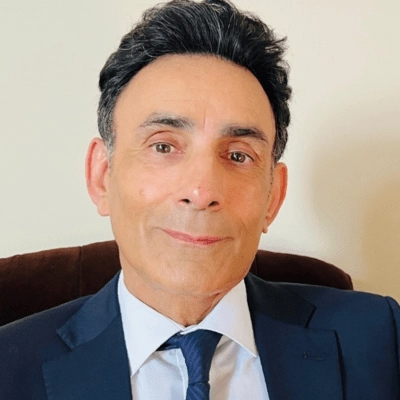
Dr. Vahid Osman, M.D.
Board-Certified Psychiatrist and Addictionologist
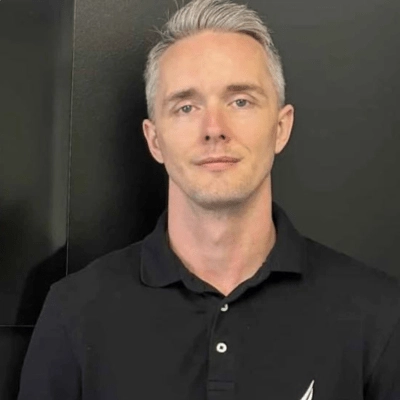
Josh Sprung, L.C.S.W.
Licensed Clinical Social Worker
This page is educational and does not replace individualized medical or psychiatric assessment.
Call 911 for seizures, severe chest pain, loss of consciousness, breathing difficulty, severe psychosis, suicidal behavior, dangerous agitation or another immediate medical emergency.
You do not need to know exactly which synthetic stimulant was used before asking for help.
If stimulant use has become difficult to control, repeated binges are occurring, other substances are involved or mental-health symptoms are worsening, Green Springs Wellness can help determine whether its treatment programs are an appropriate next step.
Quality, Safety and Community Trust
Green Springs Wellness is committed to responsible, transparent and evidence-based behavioral healthcare. These credentials reflect our dedication to patient safety, privacy, ethical operations and quality care.
The Gold Seal of Approval® recognizes Green Springs Wellness’s adherence to rigorous national standards for healthcare quality, patient safety and continuous performance improvement.

LegitScript certification demonstrates that our marketing and operations meet recognized standards for legal compliance, ethical practices, transparency and responsible communication.
Green Springs Wellness operates in accordance with applicable requirements established by the New Jersey Division of Mental Health and Addiction Services.

We protect patient privacy and safeguard protected health information in accordance with federal HIPAA privacy and security requirements.

Positive patient and family feedback reflects our ongoing commitment to compassionate service, clear communication and a supportive treatment experience.
Accreditations, certifications, licenses and recognition may be subject to renewal or change. Contact Green Springs Wellness for current credential and program information.
We understand addiction affects the whole family. Our comprehensive family program helps rebuild trust and restore relationships.
Weekly Family Therapy Sessions
Educational Workshops
Support Groups
Communication Skills Training