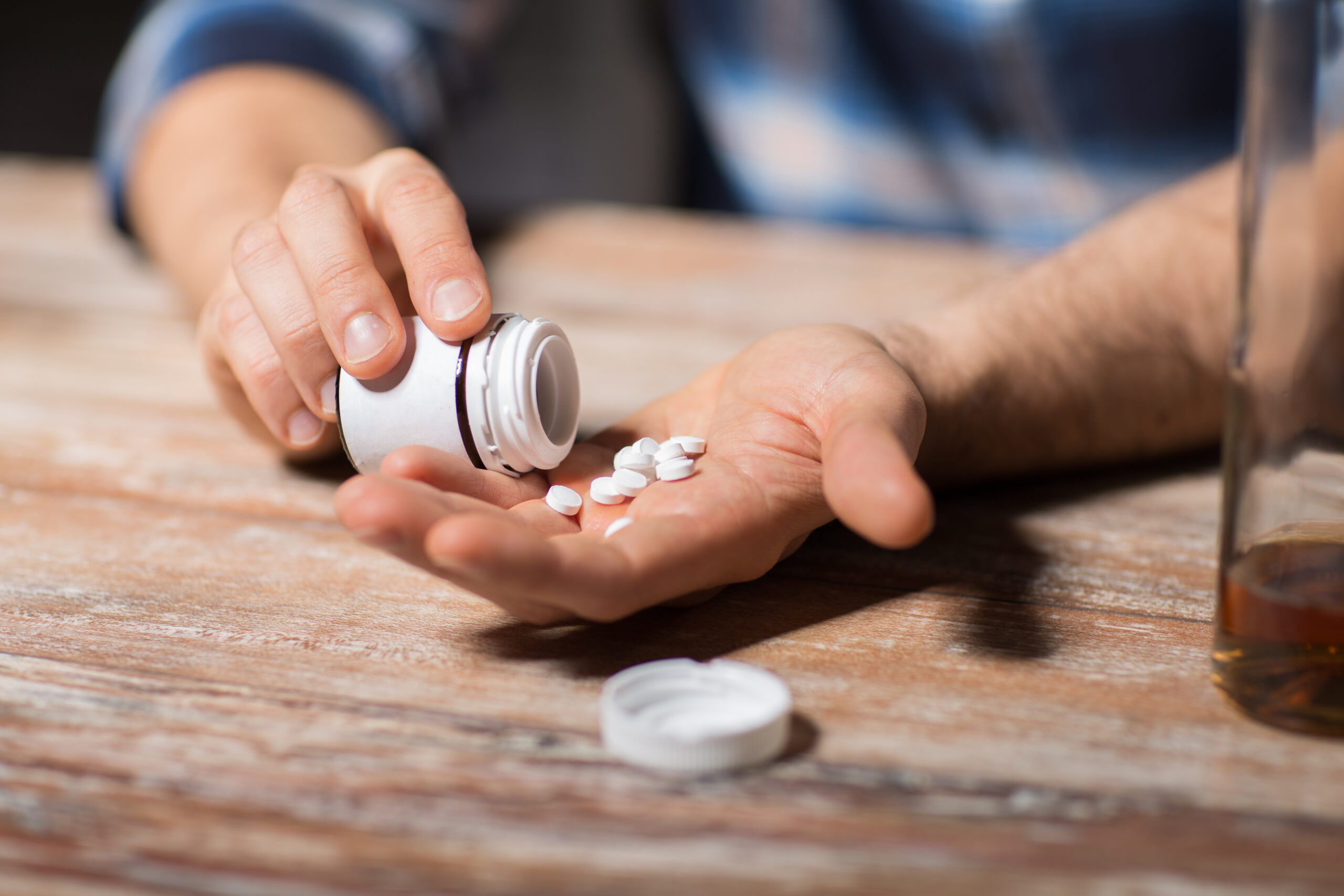
Xanax (alprazolam) is one of the most commonly prescribed medications for treating anxiety and panic disorders. As a benzodiazepine, Xanax works by calming the brain and central nervous system, making it an effective short-term solution for managing acute anxiety symptoms. However, despite its benefits when used as directed, Xanax has a high potential for abuse and addiction.
The misuse of Xanax has become a significant concern, particularly in the United States, where access to prescription medications is widespread. The Substance Abuse and Mental Health Services Administration (SAMHSA) found that approximately 4.8 million Americans misused benzodiazepines, including Xanax, in 2020. Understanding how Xanax addiction starts and knowing how to get help is crucial in addressing this growing problem.
At Green Spring Wellness, a trusted alcohol and drug rehab in South Jersey, we work with individuals struggling with Xanax addiction to help them safely recover and rebuild their lives. In this blog, we will explore how Xanax addiction begins, the risks associated with misuse, and how professional treatment can help individuals regain control.
What Is Xanax and Why Is It Misused?
Xanax belongs to the benzodiazepine class of medications, which are often prescribed to treat anxiety, panic disorders, and insomnia. The medication works by increasing the effects of GABA (gamma-aminobutyric acid) in the brain, a neurotransmitter responsible for producing calming effects on the nervous system.
When used as prescribed by a doctor, Xanax can be a powerful tool for managing severe anxiety or panic attacks. However, its sedative properties can make it appealing for misuse. Some individuals take Xanax recreationally to achieve relaxation, euphoria, or to numb emotional pain. Over time, misuse can quickly spiral into addiction.
How Xanax Addiction Starts
Like many addictive substances, Xanax misuse often begins innocently. An individual may start taking it to manage genuine anxiety symptoms but gradually develop tolerance, leading to higher doses. In other cases, misuse begins recreationally, with individuals taking Xanax to relax, sleep better, or cope with stress.
The following factors contribute to the risk of Xanax addiction:
- Quick-Acting Effects
Xanax’s fast-acting nature makes it particularly prone to misuse. Its ability to rapidly produce feelings of relaxation or euphoria can lead individuals to repeatedly seek those effects, increasing the likelihood of dependency. - Tolerance Development
One of the defining characteristics of Xanax addiction is tolerance, where individuals need to take higher doses to achieve the same effects. Increased tolerance doesn’t just elevate the risk of addiction—it also magnifies the danger of overdose. - Psychological Dependence
Xanax is often misused to cope with emotions or stress. Over time, individuals may become psychologically dependent on the drug, believing they cannot function without it, which ultimately reinforces addictive behaviors. - Self-Medication
Many people misuse Xanax as a way to “self-medicate” for undiagnosed mental health issues such as anxiety or depression. Without proper medical supervision, this misuse frequently progresses into addiction.
Recognizing Xanax Addiction
Xanax addiction doesn’t develop overnight. It often starts with subtle signs that grow more noticeable over time. Recognizing these signs early can prevent severe consequences. Common indicators of Xanax addiction include:
- Taking larger doses than prescribed or using Xanax without a prescription.
- Inability to stop or reduce use despite wanting to.
- Neglecting work, school, or home responsibilities due to Xanax use.
- Cravings and obsessive thoughts about acquiring or using Xanax.
- Physical symptoms of withdrawal, such as nausea, insomnia, or heightened anxiety when not taking the drug.
If you or someone you love is showing signs of Xanax addiction, it’s essential to seek professional help.
The Dangers of Xanax Addiction
Xanax addiction presents serious health risks, especially if misused over an extended period. Understanding these dangers underscores the importance of seeking treatment sooner rather than later:
- Overdose Risk
Taking large amounts of Xanax or combining it with other substances, like alcohol, significantly raises the risk of overdose. Xanax can slow breathing and heart rate, which can be fatal at high doses. - Cognitive Impairments
Prolonged misuse of Xanax can lead to memory problems, reduced coordination, and difficulty with decision-making. - Withdrawal Symptoms
Stopping Xanax abruptly after prolonged use can result in severe withdrawal symptoms such as seizures, extreme anxiety, nausea, and insomnia. These symptoms can be life-threatening, making professional detox critical. - Impact on Mental Health
Over time, Xanax misuse can worsen mental health problems, including depression, mood swings, and suicidal thoughts.
How to Get Help for Xanax Addiction
Recovering from Xanax addiction requires professional treatment, as withdrawal and dependency can be dangerous to navigate alone. A comprehensive rehabilitation program can help individuals safely detox, address underlying issues, and develop healthy coping strategies.
At Green Spring Wellness, we offer personalized addiction treatment programs designed to help individuals recover from Xanax addiction and rebuild their lives. Our services include:
Medical Detox
Detoxing from Xanax is a critical first step in recovery but must be conducted under medical supervision to ensure safety and comfort. Our detox services help individuals manage withdrawal symptoms while gradually reducing their physical dependency.
Therapeutic Treatment
Evidence-based therapies, such as Cognitive Behavioral Therapy (CBT), help individuals uncover the root causes of their addiction and develop healthier thought patterns and behaviors.
Dual Diagnosis Treatment
For individuals with co-occurring mental health disorders, we address both addiction and underlying mental health challenges to promote comprehensive, long-lasting recovery.
Relapse Prevention Plans
At Green Spring Wellness, we work with clients to develop relapse prevention strategies, ensuring they have the tools and skills needed to stay sober in the long term.
Reclaiming Your Life From Addiction
Xanax addiction can have a profound impact on an individual’s life, relationships, and mental health. However, recovery is always possible with the right support and treatment. At Green Spring Wellness, we understand the challenges associated with prescription drug addiction and provide strategies to empower individuals to regain control.
Get Help Today with Green Spring Wellness
If you or a loved one is struggling with Xanax addiction, it’s time to take action. At Green Spring Wellness, we specialize in treating alcohol and drug addiction in South Jersey, offering customized programs that prioritize safety, healing, and long-term success.
Contact us today to learn more about our services and how we can help you start your journey to recovery. Take the first step toward reclaiming your health and future. We’re here to support you every step of the way.